
Peruvian Hike
the complete guide to peruvian hike culture, history, and destinationsFor over five centuries, the trails winding through Peru's Andes and cloud forests have connected communities, sacred sites, and trade routes across some of the most dramatic terrain on Earth. Today, a Peruvian hike offers far more than a physical challenge — it's a journey through Inca history, high-altitude ecosystems, and living Andean culture. From the stone-paved sections of the original Inca road system, where you can literally follow the footsteps of the ancients, to modern multi-day treks through glacial valleys, Peru's trails trace centuries of human movement across mountains, valleys, and forests. This guide covers where that hiking tradition came from, the destinations that define it today, and what a first-time trekker should know before setting out.

By Laurel ThompsonSep 14, 2026
What Is a Peruvian Hike?
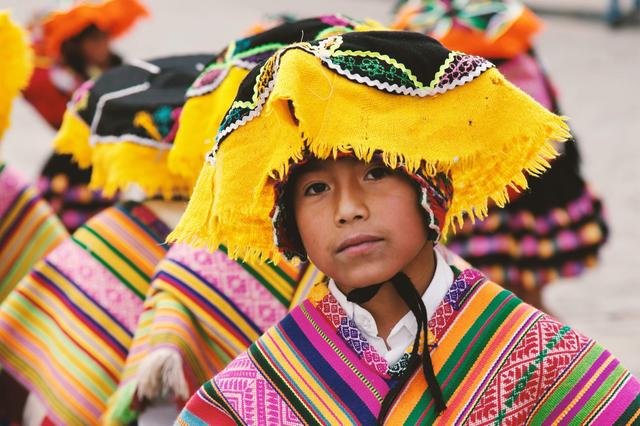
A Peruvian hike is any trek that traverses Peru's mountain, desert, coastal, or rainforest landscapes, ranging from short, guided walks around Cusco to multi-day expeditions through remote Andean passes. What sets a Peruvian hike apart from trekking elsewhere is the density of living history along the way: many routes follow paths first built by the Inca and pre-Inca cultures, and pass through communities that still farm, weave, and speak Quechua much as their ancestors did. Indeed, hikers who come for the mountain scenery may find that the cultural layer is what makes their experience most memorable.
| Quick Fact | Detail |
|---|---|
| Country | Peru |
| Popular Hiking Regions | Cusco & Sacred Valley, Cordillera Blanca, Ausangate, Colca Canyon, Amazon jungle trails |
| Difficulty Range | Easy day hikes to demanding high-altitude multi-day treks |
| Typical Trail Altitude | 80 m (jungle lowlands)– 5,000+ m (high mountain trekking) |
| Best Season | May to September (dry season) |
| Permits Required | Yes, for the classic Inca Trail |
| Most Famous Trail | The Inca Trail to Machu Picchu |
The History of Hiking in Peru
Ancient Inca Trails and Andean Roads
Long before hiking became a tourist activity, Andean trails served as functional infrastructure to the Inca and pre-Inca communities of Peru. The Inca built an extensive road network, known as the Qhapaq Ñan, stretching more than 30,000 kilometers across the empire to connect Cusco with distant provinces. Sections of this network — stone stairways, tunnels, and suspension points cut directly into cliff faces — still form the backbone of routes like the modern Inca Trail. These paths were originally used by messengers, soldiers, and officials, not travelers seeking to enjoy the scenery, which is part of why they remain so structurally intact today. These extensive trails cut across parts of modern-day Argentina, Chile, Ecuador, Colombia, Peru, and Bolivia.

From Sacred Routes to Modern Trekking Tourism
Many Inca roads carried religious significance, linking Cusco to sacred sites such as Machu Picchu, considered a royal estate and ceremonial center. After the Spanish conquest, these routes converted to local and agricultural use for centuries. Trekking tourism began in earnest in the mid-20th century, following the 1911 rediscovery of Machu Picchu, and expanded rapidly from the 1980s onward as international interest in Andean trekking grew.
The first adventure travel company in Peru, Explorandes, was founded in 1975 by Alfredo Ferreyros, a passionate trekker who loved the Andes and wanted to open its paths to the world. Alfredo pioneered guided travel on the Inca Trail to Machu Picchu, and a year later Explorandes began offering treks to Choquequirao, Machu Picchu's sister city. These routes, previously unknown but to a few, were opened to the world due in large part to Alfredo's vision and initiative.
Fast forward to the 21st century, and hiking has become one of the primary reasons travelers visit Peru. Sustainable tourism companies like Explorandes have grown alongside that interest, supporting a large network of guides, porters, and mountain communities — and building true reciprocity between hosts and visitors along the way.
Top Peruvian Hike Destinations
Cusco and the Sacred Valley
Cusco is the starting point for most Andean treks, sitting at 3,400 meters and surrounded by Inca ruins, terraced farmland, and the Sacred Valley. Nearby Ollantaytambo, a still-inhabited Inca town, is a common final stop before the classic Inca Trail: its imposing seventeen-level fortress and cobblestone streets provide a worthwhile hike in their own right.
Huaraz and the Cordillera Blanca
North of Lima, Huaraz is the gateway to the Cordillera Blanca, the world's highest tropical mountain range. This region draws serious trekkers to routes like the Santa Cruz Trek and the demanding Huayhuash Circuit, as well as technical approaches near Alpamayo, whose glacial peaks are often ranked among the most beautiful on Earth.

Ausangate and the Rainbow Mountain Region
The Ausangate massif, southeast of Cusco, is part of the Vilcanota Mountain Range and home to the colorfully striped slopes of Rainbow Mountain (Vinicunca) and the similarly painted Palcoyo Mountain. A trek here offers multi-day circuits around glaciers and high alpine lakes. This region offers some of the highest and most remote trekking in Peru, often above 4,500 meters.
Arequipa and the Colca Canyon
Arequipa is the base for treks into the Colca Canyon, one of the deepest canyons in the world and a habitat for the majestic Andean condor. Multi-day routes descend into the canyon and pass through small farming villages built on centuries-old agricultural terraces.
Amazon Rainforest Trails
Peru's Amazon basin adds a very different kind of hike to the mix — humid lowland trails through Tambopata and Manu National Park, where the terrain is flat, but the biodiversity is unmatched, from macaw clay licks to jaguar and giant otter sightings. These treks pair well with an Andean itinerary for travelers who want to experience two extremes of Peru's ecosystems in one trip.

Types of Peruvian Hikes (By Difficulty and Style)
Day Hikes for Beginners
Shorter routes around the Sacred Valley, Colca Canyon rim, and Huaraz foothills are well suited to hikers with limited time or experience, typically covering a few hours at moderate elevation with guided support available.
Multi-Day Treks for Experienced Hikers
Routes such as the Inca Trail, Salkantay, and Santa Cruz run four to seven days, involve camping or lodge stays, and require a reasonable baseline of fitness along with acclimatization time.
High-Altitude Challenges
Circuits like the Huayhuash and Ausangate treks push above 4,600 meters and are best suited to hikers with prior high-altitude experience, given the physical demands of sustained elevation.
When Is the Best Time for a Peruvian Hike?
The dry season, from May to September, offers the clearest trail conditions and is the most popular window for trekking in Peru. Timing varies by route and altitude, so see our dedicated best time to hike guide for a month-by-month breakdown before booking.

What to Know Before You Go
Altitude and Acclimatization
Most Peruvian mountain treks begin above 2,800 meters, and altitude sickness is a common concern for visitors arriving directly from lower elevations. Spending two to three days in Cusco before a trek, staying hydrated, and avoiding alcohol can significantly reduce symptoms.
Permits and Regulations
The classic Inca Trail requires an advance permit and can only be hiked with a licensed operator, with daily quotas that often sell out months ahead. The table below describes some of the entry and permitting requirements for popular routes.
| Hike | Region | Permit / Entry | Details |
|---|---|---|---|
| Inca Trail (Classic) | Cusco / Sacred Valley | Permit required (capped quota) | 500 spots/day incl. staff; sells out 4–6 months ahead; licensed operator required |
| Choquequirao Trek | Cusco / Apurímac | Entrance fee, no quota | Paid at site entrance; no advance booking system |
| Salkantay Trek | Cusco | No permit | Occasional local community access fees |
| Ausangate | Cusco | No permit | Local community entrance fee at trailhead |
| Santa Cruz Trek | Huaraz / Cordillera Blanca | Park entry ticket required | Huascarán National Park ticket, purchased locally in Huaraz |
| Huayhuash Circuit | Huaraz / Cordillera Huayhuash | No government permit | Community toll fees paid village to village |
| Manu (Reserved Zone) | Amazon / Madre de Dios | Permit required | SERNANP-authorized access; licensed operator only |
| Colca Canyon | Arequipa | Tourist ticket required | Mandatory paid entrance ticket for the Colca Valley |
Packing Essentials
Layered clothing, sun protection, a warm sleeping bag, and broken-in boots are essential across nearly every route, given how quickly Andean weather can shift.
Hiking in the Amazon requires insect repellent, rain gear, and knee-high rubber boots.
Why Hike with a Certified Sustainable Operator
Choosing a certified operator matters as much as choosing a trail. Explorandes is a certified B Corporation and has been recognized as the World's Leading Green Tour Operator, reflecting more than 40 years of experience running treks across Peru's mountain regions. That track record translates into fair treatment of porters and guides, smaller environmental footprints on high-traffic trails, and itineraries built around realistic acclimatization schedules rather than rushed timelines. Contact us here.

Frequently Asked Questions
What is the most famous Peruvian hike?
The Inca Trail to Machu Picchu is the most famous Peruvian hike, a four-day route following original Inca stonework to the Sun Gate above the citadel.
How difficult is hiking in Peru for beginners?
Peru offers hiking for every level. Short day hikes around Cusco or the Colca Canyon rim are accessible to beginners, while multi-day treks require more preparation and a period of altitude acclimatization.
What is the best time of year for a Peruvian hike?
May through September, the dry season, offers the most reliable trail conditions for most routes.
Do you need a permit to hike in Peru?
A permit is required for the classic Inca Trail and must be booked through a licensed operator well in advance. Most other treks, including Salkantay and Santa Cruz, do not require a permit. See table above for details.
Is altitude sickness a concern when hiking in Peru?
Yes. Many trailheads sit above 3,000 meters, so acclimatizing in Cusco for a few days before starting a trek is strongly recommended.


this season featured experiences
HIKING & TREKKING

inca trail to machu picchuInca Trail to Machu Picchu is more than just a hike—it’s a 5-day journey through breathtaking landscapes, ancient Inca ruins, cloud forests, and the iconic Sun Gate (Inti Punku). With expert guides, sustainable practices, and full support along the route, you’ll experience an unforgettable adventure that blends history, culture, and natural beauty. Don’t miss this once-in-a-lifetime trek—book your Inca Trail to Machu Picchu tour today and secure your permit before spaces run out.
March - December
5 days / 4 nights
From
$ 1499
/ Per PersonHIKING & TREKKING

huayhuash trekThe Huayhuash Trek explores Peru’s remote, stunning mountains, crossing high passes, alpine lakes, and wild valleys, following legendary climbers’ paths for an unforgettable 12-day adventure.
April - October
12 days / 11 nights
From
$ 1750
/ Per PersonHIKING & TREKKING

the hidden valleys of salkantayStarting near Limatambo, our Salkantay Trek ascends to Cruzjasa Pass, offering stunning views, then descends through Cusichaca Valley, explores Inca sites, and ends in Ollantaytambo.
April - December
5 days / 4 nights
From
$ 1499
/ Per PersonHIKING & TREKKING

the great inca trail - northHike over 70 km of the Great Inca Trail, exploring archaeological sites, diverse landscapes, and engineering marvels, including Chavín de Huantar and Huánuco Pampa.
April - October
6 days / 5 nights
From
$ 1640
/ Per PersonHIKING & TREKKING

alpamayo circuitThe Alpamayo Circuit offers breathtaking mountain views, secluded lakes, ancient forests, and impressive peaks, including Alpamayo, Santa Cruz, and Taulliraju, on a 9-day trek.
April - October
9 days / 8 nights
From
$ 1700
/ Per Person