
Hiking in Peru offers an extraordinary range of landscapes, climates, and trekking styles, from high Andean passes and glaciated peaks to cloud forests and remote valleys. Understanding when to go, which routes suit your experience level, and how to prepare makes all the difference in planning a rewarding journey. This guide brings together practical insights on the best time to hike in Peru, the most iconic and lesser-known trekking routes, and essential tips to help you travel safely, responsibly, and with a deeper connection to the places you explore.

By Jenny ErsbackFeb 18, 2026
Peru Hiking: Essential Guide for Your First Major Trek in the Andes
The Andes Mountains run the length of South America, from Colombia in the north to Chile in the south, forming a dramatic continuous high-altitude landscape. In Peru, this mountain range takes on an especially unique form. Here, elevation changes give rise to diverse ecosystems, from cloud forests to puna grasslands, while history is never far from the trail.

For travelers preparing for their first major trek in the Andes, Peru hiking offers routes that are both accessible and memorable, paths that challenge the body while rewarding curiosity and exploration.
Why is Peru special for hiking?
Why is Peru special for hiking? Long before Peru became a bucket-list destination, its mountains were already crossed by an intricate network of trails. These footpaths were not just scenic routes, but carefully engineered to connect cultures and communities across some of the most demanding terrain on Earth.
What sets Peru hiking apart is the way geography and history remain closely linked. Before modern roads or railways, walking was the primary way to move through the mountains. To hike in Peru today is to follow paths that have been walked for centuries.

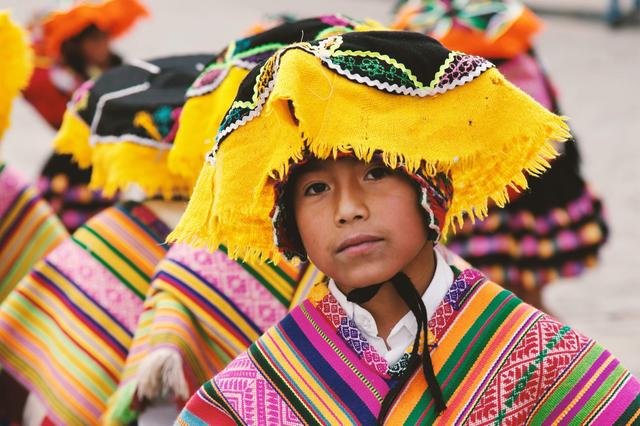
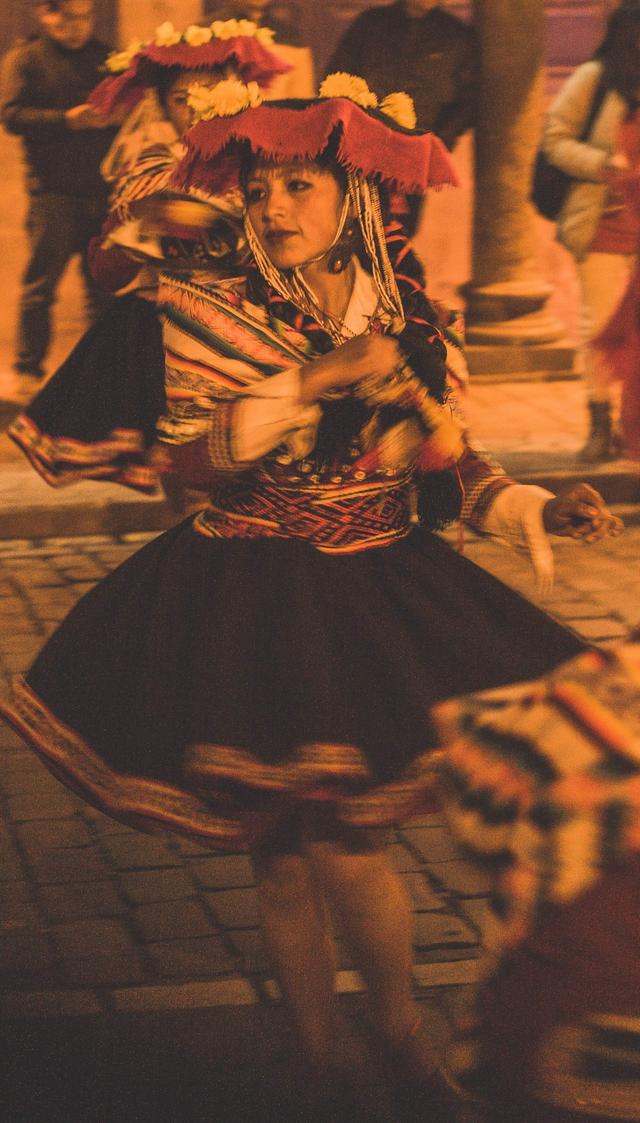
Hiking in Peru offers the opportunity to meet local people and observe traditions that have endured for generations, bringing the trails to life in ways few other destinations can.
When is the best time for Peru hiking?
The best time for Peru hiking often depends on who you ask. Peru is shaped by three distinct climate zones: the coast, the Andes, and the Amazon. Most of Peru’s well-known multi-day treks are located in the Andes. Here, the dry season typically runs from May through September and is widely considered the best time for hiking. During these months, days are generally clear and dry, though nights at higher elevations can be cold.

The shoulder months of April and October can also be good options. These periods can bring fewer crowds and greener landscapes. In contrast, the wet season, from November through March, brings heavier rainfall, especially in January and February. Some routes are temporarily inaccessible, and certain trails, such as the Inca Trail, close for maintenance during this time.
The Andes are the primary setting for Peru hiking, but the best time to go can depend on the season and matching it to your personal trekking style.
Types of hikes you’ll find
Peru hiking is defined by its contrasts. There is a wide range of terrain, difficulty levels, and trekking styles. This diversity creates opportunities to experience a little bit of everything in a single journey.
The types of hikes you’ll find range from historic trails, to remote routes that offer longer, more demanding journeys through isolated terrain. There are also cultural hikes connecting local farming communities. Together, these options make it possible to choose a hike that matches both experience level and travel goals.
Top Hiking Routes in Peru
The top hiking routes in Peru can be divided into a few distinct trekking regions.
Cusco Region
This is Peru’s most well-known trekking region and home to the country’s most iconic routes.
Most popular multi-day routes:
- Inca Trail – The classic 5-day trek to Machu Picchu, combining archaeological sites and cloud forest.
- Salkantay Trek – A high-altitude alternative to the Inca Trail, known for dramatic mountain scenery. This 5-day itinerary also passes through hidden valleys.
- Choquequirao – A long, demanding 7-day trek connecting two major archaeological sites.
- Lares Trek – A lesser-known route that emphasizes cultural interactions with the local communities.
- Ausangate Trek – A 5-day challenging, high-elevation circuit with minimal crowds ending with Vinicunca, the Rainbow Mountain.

Ancash Region (Cordillera Blanca)
This region includes some of the highest trekking routes in the country.
- Santa Cruz Trek – The most famous trek in the Cordillera Blanca, known for turquoise lakes and snowcapped peaks over 4 days.
- Huayhuash Circuit – A demanding, longer trek that typically takes 10 to 12 days to complete and is considered one of the most scenic mountain routes in the world.
- Alpamayo Circuit – A 9-day trek built around the impressive peaks of Alpamayo, Santa Cruz, and Taulliraju.

Arequipa Region
This region blends trekking with deep canyon landscapes and volcanic terrain.
- Colca Canyon Trek – A 3-day hike into one of the world’s deepest canyons, passing through agricultural villages and hot springs.

Preparation: Physical Fitness, Acclimatization and Gear
Preparation plays an important role in any multi-day trek, and Peru hiking is no exception. Physical fitness, acclimatization and gear all contribute to overall readiness.
Hiking in Peru can be physically demanding. While technical mountaineering skills are not required for most treks, hikers should be comfortable with long days of walking and elevation gain.
Acclimatization is important when hiking in Peru, particularly in the Andes. Spending a few days at altitude, like in the city of Cusco, before starting a trek helps the body to adjust. In addition, taking it slow and staying hydrated will help reduce the risk of any altitude-related issues.
Hikers should also bring lots of clothing layers for changing temperatures, as well as rain protection and sun coverage. A well-fitted backpack is useful, even on supported treks with porters.
Logistics & Good Practices
Like any outdoor adventure, planning logistics in advance is part of ensuring a successful trek. If not guided, hiking in Peru can require permits or advance reservations, particularly during the high season.
Good practices on the trail help protect both the environment and local communities. Staying on marked paths, packing out trash, and being mindful of local communities ensure that Peru hiking routes remain well cared for in the future.

it's more than just a hike
Peru’s hiking trails weren’t accidental. Many of today’s most popular trekking routes still follow the paths used by ancient cultures like the Incas. It’s this combination of nature and history, where you can immerse yourself in a landscape and way of life that has been unfolding for centuries, that makes Peru hiking truly unique.


this season featured experiences
HIKING & TREKKING

inca trail to machu picchuInca Trail to Machu Picchu is more than just a hike—it’s a 5-day journey through breathtaking landscapes, ancient Inca ruins, cloud forests, and the iconic Sun Gate (Inti Punku). With expert guides, sustainable practices, and full support along the route, you’ll experience an unforgettable adventure that blends history, culture, and natural beauty. Don’t miss this once-in-a-lifetime trek—book your Inca Trail to Machu Picchu tour today and secure your permit before spaces run out.
March - December
5 days / 4 nights
From
$ 1499
/ Per PersonHIKING & TREKKING

huayhuash trekThe Huayhuash Trek explores Peru’s remote, stunning mountains, crossing high passes, alpine lakes, and wild valleys, following legendary climbers’ paths for an unforgettable 12-day adventure.
April - October
12 days / 11 nights
From
$ 1750
/ Per PersonHIKING & TREKKING

the hidden valleys of salkantayStarting near Limatambo, our Salkantay Trek ascends to Cruzjasa Pass, offering stunning views, then descends through Cusichaca Valley, explores Inca sites, and ends in Ollantaytambo.
April - December
5 days / 4 nights
From
$ 1499
/ Per PersonHIKING & TREKKING

the great inca trail - northHike over 70 km of the Great Inca Trail, exploring archaeological sites, diverse landscapes, and engineering marvels, including Chavín de Huantar and Huánuco Pampa.
April - October
6 days / 5 nights
From
$ 1640
/ Per PersonHIKING & TREKKING

alpamayo circuitThe Alpamayo Circuit offers breathtaking mountain views, secluded lakes, ancient forests, and impressive peaks, including Alpamayo, Santa Cruz, and Taulliraju, on a 9-day trek.
April - October
9 days / 8 nights
From
$ 1700
/ Per Person