
Cusco Places to See
cusco places to see: best attractions in the city and the regionCusco is not just a single destination, but an entire region shaped by history, landscapes, and living culture. Beyond Machu Picchu, this Andean city, once the capital of the Inca Empire, brings together archaeological sites, traditional villages, and some of Peru’s most diverse scenery, all within relatively short distances. This guide highlights the most important places to visit in Cusco, from its historic center to the iconic destinations beyond the city, helping you plan an itinerary that balances culture, nature, and meaningful local experiences.

By Laurel ThompsonApr 14, 2026
Overview of the Most Important Cusco Places to See
Cusco is more than just the gateway to Machu Picchu; it is one of South America’s most fascinating destinations in its own right. Once the capital of the Inca Empire, the city blends ancient Andean heritage with colonial architecture, vibrant culture, and easy access to some of Peru’s most spectacular landscapes.
Legend has it that Cusco was settled by the very first man and woman, Mama Ocllo and Manco Cápac, who arose from Lake Titicaca, and, carrying a golden staff, were guided to Cusco. When the staff penetrated the ground there, they knew they had found their home. Cusco, which translates as “Navel of the World” became the center of Inca civilization.
That magic persists to today.
For travelers planning an adventure trip, the range of Cusco places to see is remarkably diverse. Within the city, you’ll find historic plazas, museums, and Inca foundations hidden beneath Spanish buildings. Just beyond, a short drive reveals impressive archaeological sites, while full-day excursions open up the Sacred Valley, colorful mountains, and remote ruins.
To help you plan your itinerary, this guide explores the top places to visit in Cusco, Peru, from the historic center to iconic destinations in the surrounding region.
Cusco Places to See in the Historic City Center
The heart of Cusco is compact and walkable, making it easy to explore its most important attractions in a day or two.
Plaza de Armas
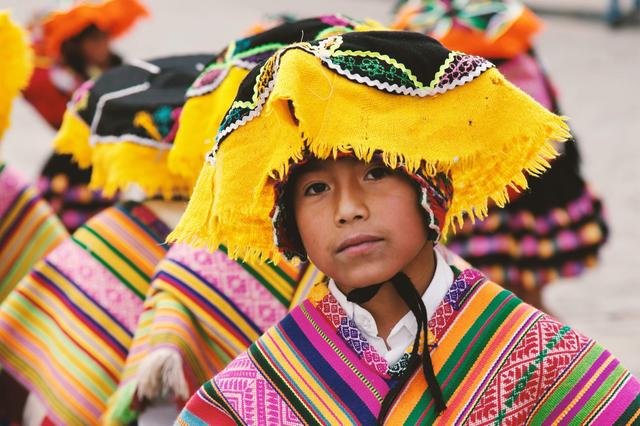
Cusco’s main square is the perfect starting point. Surrounded by colonial arcades, restaurants, and churches, it was once the ceremonial center of the Inca Empire. Today, it’s a lively hub replete with flowers, statuary, and fountains where visitors can acclimatize while soaking up the scenery. A mixture of Andean folks, dressed in colorful clothing and perhaps leading an alpaca or a llama, combined with meandering tourists and local Cusqueñans, all contribute to the vibrant atmosphere.

Cusco Cathedral
Located on the Plaza de Armas, the cathedral is a masterpiece of colonial art and architecture. Built atop an Inca palace, it houses an impressive collection of paintings from the Cusco School, which was active in the 17th and 18th centuries. The cathedral hosts a famous depiction of the Last Supper featuring a guinea pig or “cuy” in place of a lamb as the centerpiece on the table.
The Spanish conquerors built on top of Inca foundations for both practical and authoritarian reasons: they were symbolically replacing the Inca religion with their own. Too, Inca stonework and stone foundations were incredibly well-made. There are several examples of old Inca walls still standing in Cusco, including the famous twelve-angled stone (Hatunrumiyoc) that fits perfectly, like an intricate puzzle piece, amidst the surrounding stones. The Inca were famous for building complex stone walls and buildings without the use of mortar, relying solely on the shapes of the stones to fit together and support the entire structure.

Qorikancha (Temple of the Sun)
One of the most important religious sites in the Inca world, Qorikancha, the “Golden Temple,” once shimmered with gold-covered walls. The conquistadors melted the gold adornments, including statues, figurines, and plates into gold ingots and sent them to Spain. The Inca managed to hide their most sacred item, the Golden Sun Disc. It has never been found.
The Spanish convent of Santo Domingo is built on top of Qorikancha. Today you can see the remains of the temples that belonged to Inti, the Sun God, Quilla, the Moon Goddess, and to the Rainbow, the Constellations, and Lightning, characterized by trapezoidal walls, Inca stonework, and a central courtyard aligned with the movement of the sun.

San Blas Neighborhood
Just a couple of cobblestone streets away from the Plaza de Armas, and up a couple of flights of stone steps, San Blas is known as the artisan quarter of Cusco. This neighborhood features narrow streets, whitewashed houses, and small galleries, shops, and cafés. It’s one of the most charming places to visit in Cusco Peru, especially for sunset views over the city, which can be seen from the top of the stone fountain of cascading water located on its central plaza.

San Pedro Market
For a local experience, head to San Pedro Market which was built a century ago to bring together many vendors under one roof and create a centralized market in Cusco. This bustling market offers fresh juices, traditional dishes, textiles, and a glimpse into daily life in Cusco. Here, Cusqueñans run colorful stands with both familiar and exotic, vibrantly colored fruits and vegetables; merchants sell wares of all kinds; and “juice ladies” serve their customers on the spot with fresh extracts of familiar and not-so-familiar ingredients. Everything from colorful textiles to goat’s heads to fresh herbs to fragrant cheeses are on display. Friendly bargaining with vendors is both encouraged and expected.
All of these sites can be visited on a walking tour in a single afternoon in Cusco, although acclimatization to the 11,000-foot atmosphere is a consideration. Drinking plenty of water and coca tea ( a local preventative and folk remedy for soroche, or mountain sickness), and taking it easy the first couple of days will help.
Inca Archaeological Sites Around the City
Just outside the historic center are several impressive Inca sites that can be visited in half a day.
Sacsayhuamán
This massive fortress is famous for its enormous stone walls, some weighing over 100 tons! The precision of the construction continues to amaze archaeologists and is testimony to the extremely advanced level of Inca engineering. Of note here is the Rodadero, a series of natural polished stone slides that were once the playground of Inca children and are still used by modern Cusqueñan kids today.

Qenqo / Monkey Temple/ Temple of the Moon
Not far from Sacsayhuaman, and only a few miles above Cusco’s center, Qenqo is a ceremonial site carved into natural rock. Qenqo features underground chambers and channels likely used for rituals. Here, an underground altar chiseled from a single huge stone was the site of ancient sacrifices and ceremonies. Just behind Qenqo, several representations of monkeys, snakes, condors, and pumas decorate boulders and stones at the site known as the Monkey Temple. The nearby Temple of the Moon features a long passageway with gaps to let in natural light- perhaps the passageway to other worlds. These three sites are surrounded by beautiful, meandering countryside dotted with natural caves and other formations, and featuring vibrant birdlife and greenery.

Tambomachay
Often called the “Temple of Water,” this site showcases intricate aqueducts and fountains that still function today. Also known as the “Inca Baths,” the water features are ingeniously channeled through a series of terraced rocks. The water emanates from several natural springs directed through three cascading waterfalls, which flow today as they have for millennia.
The Inca considered water sacred and delighted in creating systems to catch, direct, and contain it. Many of their aqueducts, fountains, and tunnels continue to operate in and around Cusco and the Sacred Valley, most demonstrably at Tambomachay.

Puka Pukara
A bit further out on the road to Pisac in the Sacred Valley, and close to Tambomachay, Puka Pukara features red-hued stonework and is thought to have served as a military checkpoint and resting place during the time of the Incas. When you ascend to the top of its main structure, you are rewarded with panoramic views of the surrounding countryside.
All of the aforementioned sites are often visited together with a single tourist ticket that combines multiple attractions; all are among the most accessible Cusco places to see.

Sacred Valley — Essential Cusco Places to See Outside the City
A visit to the Sacred Valley of the Incas is essential for any Cusco itinerary. Located between Cusco and Machu Picchu, it offers a mix of archaeological sites, traditional villages, pastoral countryside, and stunning scenery.
Pisac
Known for its impressive hillside ruins and vibrant market, Pisac is a great place to experience both Inca history and local culture. With a thriving mixed culture of locals and immigrants from around the world, it has become something of a spiritual center of the region, with many offerings such as health food restaurants, yoga classes, and meditation retreats. Its Sunday market, located at the main plaza, is a lively event featuring everything from locals selling fruits, vegetables, and herbs; food booths serving typical Andean meals; and artists offering their colorful weavings of naturally dyed alpaca ponchos, blankets, and scarves.

Ollantaytambo
One of the best-preserved Inca towns, Ollantaytambo features massive terraces and a fortress overlooking the valley. Its impressive ruins are composed of seventeen levels, each culminating with a broad agricultural terrace. After climbing its roughly 200 Inca stone steps, one reaches the Temple of the Sun and the Six Monoliths, gaining a commanding view of the landscape and the town below. The downtown area still boasts the same Inca streets and water channels that were built centuries ago. Ollantaytambo is also the main train gateway to Machu Picchu.

Chinchero
Famous for its traditional weaving communities, Chinchero offers an authentic cultural experience. Visitors can see demonstrations of natural textile techniques and perhaps participate in a hands-on demonstration and learn something of spinning fiber or natural dyeing. Each weaving community in the region offers its own unique icons and design features, thus identifying its work to those in the know. Chinchero’s 3783-meter (12,411-foot) location makes it the perfect place for the appearance of rainbows during the rainy season, hence its nickname, “Birthplace of the Rainbow.”

Maras Salt Ponds
Located only 20 minutes by car from Chinchero, the Maras salt ponds consist of 3000 bright white and multicolored salt ponds, which are divided among local families, who maintain and harvest the rich mineral salts. This is the largest pre-Hispanic salt mine in Peru, which dates back to pre-Inca times. You will learn about the continuous effort it takes to maintain these ponds, as well as the qualities of the salts harvested from them. The Maras pink salt produced here is known for its healthful properties.

Moray
Fifteen minutes down the road from Maras, Moray is one of the earliest agricultural experimental “labs” in existence on the planet. It is believed that the beautiful and elegantly constructed descending circular terraces were used to support a variety of microclimates, encouraging the growth of specific crops attuned to each climate. The temperature difference between the uppermost and lowest levels can vary by as much as 15 °C. Plants that thrive at the deepest level of over 30 meters vary from those that thrive at the uppermost levels. Native Peruvians used experimental techniques to nurture diverse food crops centuries before modern greenhouse techniques were invented!
Exploring the Sacred Valley is essential among things to do in Cusco because it offers natural beauty, a taste of local culture, and insight into the Andean way of life. One or several days in the area offers an intriguing glimpse into what life in the “campo,” the Peruvian countryside, is all about.

Natural Wonders in the Cusco Region
Beyond its archaeological treasures, Cusco is surrounded by breathtaking natural landscapes.
Rainbow Mountain (Vinicunca)
One of Peru’s most photographed destinations, Rainbow Mountain features vibrant mineral-colored slopes. The colors are formed by layers of minerals that eroded over millennia, thus creating a “striped” effect, featuring natural red, purple, green, and yellow striations. Though the hike is challenging due to altitude, the views are unforgettable.

Palcoyo Mountain
A more tranquil alternative to Rainbow Mountain, Palcoyo Mountain offers panoramic views of colorfully striped ridges and sweeping valleys with fewer fellow visitors. It is also more easily accessed than Rainbow Mountain. A “stone forest” consisting of strange treelike formations is located a 20-minute hike from the main vista point.
Humantay Lake
This turquoise glacial lake sits beneath snow-capped peaks and is a popular day hike from Cusco. The contrast between its crystalline waters and the surrounding mountain peaks makes it a favorite for photographers.

Ausangate Region
For those seeking a more remote adventure, the Ausangate trek offers high-altitude scenery, traditional communities, and fewer crowds than more popular routes. The five-day Ausangate trek traverses the rolling farmlands, towering snowy peaks, and alpine lakes of the Vilcanota Mountain Range.
These natural attractions add another dimension to the list of Cusco places to see, especially for travelers interested in hiking and outdoor experiences.

Iconic Destinations Near Cusco (Machu Picchu, Choquequirao, Huchuy Qosqo)
No list of places to visit in Cusco Peru would be complete without its most iconic destinations.
Machu Picchu
The crown jewel of Peru, Machu Picchu, is one of the New Seven Wonders of the World. Whether you arrive by train or trek the Inca Trail, visiting this mysterious ancient citadel is an unforgettable experience.

Choquequirao
Often referred to as the “sister city” of Machu Picchu, Choquequirao is larger and far less visited. Reaching it requires a multi-day trek, but the reward is a more remote and immersive archaeological experience. If you are seeking awe-inspiring views, ancient architecture, and peaceful solitude, this is a dream journey to add to your Peru adventure, if you have the time and inclination to explore a site that few visitors have known. Another possibility is combining a trek to Choquequirao with one to Machu Picchu, as in this program.

Huchuy Qosqo
A lesser-known site accessible by a scenic hike or short drive, Huchuy Qosqo offers impressive terraces and panoramic views of the Sacred Valley without the crowds. The hike features highland scenery with grazing alpacas and sheep and snowy peaks; it’s a five-to-seven-hour hike from either the Sacred Valley town of Lamay or Tauca. If you only have time for a one-day trek, this can fulfill your desire to explore remote countryside and Inca ruins in the beautiful Sacred Valley.
Cultural Experiences Among the Cusco Places to See
Cusco isn’t just about sightseeing, it’s also about experiencing living Andean culture.
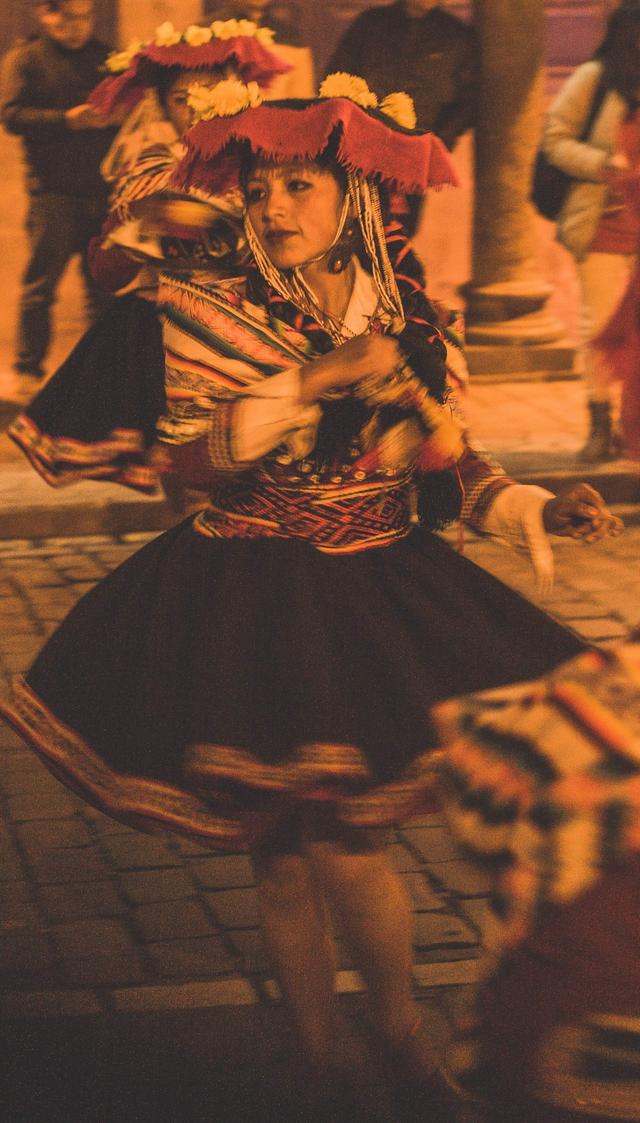
Visitors can attend traditional festivals, explore local markets, or participate in community-based tourism experiences in nearby villages. Food lovers will enjoy sampling Peruvian cuisine, from street food to fine dining, while history enthusiasts can dive deeper into museums and cultural centers. Art lovers can participate in weaving, chocolate-making, and pottery classes, among others.
Engaging with local traditions adds meaning to your journey and transforms the typical list of things to do in Cusco into a richer travel experience.
How to Plan Your Visit to the Best Cusco Places to See
Planning your itinerary carefully will help you make the most of your time in Cusco.
Allow time for acclimatization
Cusco sits at over 3,300 meters (10,800 feet) above sea level. Spend at least one or two days adjusting before doing strenuous activities. Make sure to stay hydrated, eat lightly, and consider drinking coca tea to help prevent symptoms. This is essential for the first day or two in the region, while your body adjusts to the lower oxygen levels at this altitude.

Prioritize your interests
Most folks who visit this region also include a trip to the iconic Machu Picchu ruins. If your time is limited and in the interest of avoiding altitude sickness, some folks choose to spend a day or two in the Sacred Valley before heading to Ollantaytambo and taking the train to Machu Picchu.
This is because the Sacred Valley’s “intermediate” altitudes can prepare one for higher altitudes like Cusco and more strenuous activities, like climbing around the Machu Picchu citadel. One might consider exploring Cusco city itself upon return to the area when acclimatization is less of a concern.
Of course, if you are participating in a set tour, this will depend on the order of activities designated in your itinerary.

Consider logistics
Many attractions require transportation or guided tours. Booking in advance—especially for Machu Picchu—is highly recommended. Your tour operator will work with you to create the best plan for the timing and order of activities.
Use a map to organize your route
Mapping out the main Cusco places to see will help you group nearby attractions and avoid unnecessary travel time.
Combine city and regional experiences
A well-balanced itinerary includes cultural exploration in Cusco, visiting nearby archaeological sites, and at least one full-day excursion into nature in the Sacred Valley.
Cusco offers an extraordinary combination of history, culture, nature, and adventure. From wandering its cobblestone streets to exploring ancient ruins and hiking through dramatic landscapes, the variety of Cusco places to see ensures that every traveler finds something unforgettable.
Whether you’re visiting for a few days or embarking on a longer journey through Peru, Cusco will likely be one of the highlights of your trip—and a destination that invites you to return for greater immersion into its natural and cultural wonders again and again.
This iconic Cusco itinerary includes most of the Cusco places to see discussed in this article. Contact us for help in planning a comprehensive exploration of this incredible region.


this season featured experiences
HIKING & TREKKING

inca trail to machu picchuInca Trail to Machu Picchu is more than just a hike—it’s a 5-day journey through breathtaking landscapes, ancient Inca ruins, cloud forests, and the iconic Sun Gate (Inti Punku). With expert guides, sustainable practices, and full support along the route, you’ll experience an unforgettable adventure that blends history, culture, and natural beauty. Don’t miss this once-in-a-lifetime trek—book your Inca Trail to Machu Picchu tour today and secure your permit before spaces run out.
March - December
5 days / 4 nights
From
$ 1499
/ Per PersonHIKING & TREKKING

huayhuash trekThe Huayhuash Trek explores Peru’s remote, stunning mountains, crossing high passes, alpine lakes, and wild valleys, following legendary climbers’ paths for an unforgettable 12-day adventure.
April - October
12 days / 11 nights
From
$ 1750
/ Per PersonHIKING & TREKKING

the hidden valleys of salkantayStarting near Limatambo, our Salkantay Trek ascends to Cruzjasa Pass, offering stunning views, then descends through Cusichaca Valley, explores Inca sites, and ends in Ollantaytambo.
April - December
5 days / 4 nights
From
$ 1499
/ Per PersonHIKING & TREKKING

the great inca trail - northHike over 70 km of the Great Inca Trail, exploring archaeological sites, diverse landscapes, and engineering marvels, including Chavín de Huantar and Huánuco Pampa.
April - October
6 days / 5 nights
From
$ 1640
/ Per PersonHIKING & TREKKING

alpamayo circuitThe Alpamayo Circuit offers breathtaking mountain views, secluded lakes, ancient forests, and impressive peaks, including Alpamayo, Santa Cruz, and Taulliraju, on a 9-day trek.
April - October
9 days / 8 nights
From
$ 1700
/ Per Person