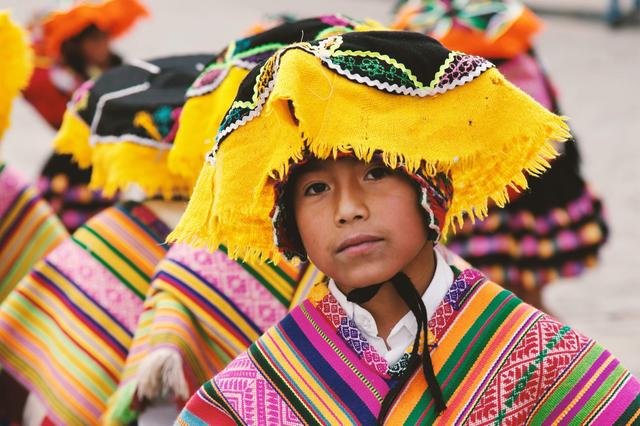

Puno sits on the shores of Lake Titicaca in Peru’s southern highlands, at approximately 3,825 meters (12,549 feet) above sea level. The city is one of the main bases for exploring the lake and visiting the communities that live on its islands, while archaeological sites and other places around Puno provide further insight into the region’s history. Some of the main places to visit in Puno include the Uros Floating Islands, Taquile and Amantaní, as well as the Sillustani Archaeological Complex and Chucuito. Within the city itself, the Bahía de los Incas Ecotourism Boardwalk and Kuntur Wasi Viewpoint can be incorporated into the itinerary without traveling far from Puno. Together, these eight places provide an introduction to the region’s cultural, archaeological, and natural heritage.

By Joaquin FerreyrosSep 16, 2026
Puno - quick facts:
| Variable | Fact |
|---|---|
| Elevation | Approx. 3,825 m (12,549 ft) |
| Location | Southern Peru, on the shores of Lake Titicaca |
| Recommended stay | 2 - 3 days |
| Best time to visit | April to October |
| Nearest airport | Inca Manco Cápac, International Airport Juliaca |
| Transfer from Juliaca | Approximately 1 hour by road |
| Main places to visit | Lake Titicaca, Uros, Taquile, Amantaní and Sillustani |
1. Lake Titica
Located on the border between Peru and Bolivia, Lake Titicaca sits at more than 3,800 meters (12,467 feet) above sea level and is considered the highest navigable lake in the world. Boats depart from Puno to visit several of its islands and communities, making the lake a central part of any visit to the region.
Lake Titicaca also holds deep significance in Andean tradition. According to Inca mythology, Manco Cápac and Mama Ocllo emerged from its waters before beginning the journey that would lead them to found Cusco. Today, the lake remains closely connected to the daily lives of the communities that inhabit its shores and islands.

2. The Uros Floating Islands
The Uros Floating Islands are located near the city of Puno and are built primarily from layers of totora, an aquatic reed that grows abundantly in Lake Titicaca. Totora is also traditionally used to build boats, homes, and a variety of everyday objects.
During a visit, travelers can learn how the islands are built and maintained and gain a better understanding of the relationship that Uro-Aymara communities have developed with the lake. Their proximity to Puno makes the Uros suitable for a shorter excursion or as part of a longer visit that includes other islands on Lake Titicaca.
3. Taquile Island
Taquile is located approximately 35 kilometers (22 miles) from Puno and is particularly known for its textile tradition, which has been passed down through generations and remains closely connected to the community’s identity. Taquile’s textile art and its symbolism have been recognized by UNESCO as Intangible Cultural Heritage of Humanity.
A visit also involves exploring parts of the island on foot, with views of Lake Titicaca along the way. Taquile has no roads or motorized vehicles, so visitors travel around the island on foot. Because of the altitude and the island’s slopes, it is best explored at a moderate pace.
">
4. Amantaní Island
Amantaní is one of the largest islands on the Peruvian side of Lake Titicaca. Unlike a short visit to the Uros, exploring Amantaní generally requires more time and can be included in itineraries that involve an overnight stay with local families.
Two of the island’s best-known landmarks are the Pachamama and Pachatata hills, where pre-Hispanic ceremonial sites are located. Trails leading to the higher parts of the island also offer expansive views of Lake Titicaca. Given its location and the time required to reach it, Amantaní is better suited to a multi-day itinerary in Puno than a short visit.
">
2. The Uros Floating Islands
The Uros Floating Islands are located near the city of Puno and are built primarily from layers of totora, an aquatic reed that grows abundantly in Lake Titicaca. Totora is also traditionally used to build boats, homes, and a variety of everyday objects.
During a visit, travelers can learn how the islands are built and maintained and gain a better understanding of the relationship that Uro-Aymara communities have developed with the lake. Their proximity to Puno makes the Uros suitable for a shorter excursion or as part of a longer visit that includes other islands on Lake Titicaca.
3. Taquile Island
Taquile is located approximately 35 kilometers (22 miles) from Puno and is particularly known for its textile tradition, which has been passed down through generations and remains closely connected to the community’s identity. Taquile’s textile art and its symbolism have been recognized by UNESCO as Intangible Cultural Heritage of Humanity.
A visit also involves exploring parts of the island on foot, with views of Lake Titicaca along the way. Taquile has no roads or motorized vehicles, so visitors travel around the island on foot. Because of the altitude and the island’s slopes, it is best explored at a moderate pace.
">
4. Amantaní Island
Amantaní is one of the largest islands on the Peruvian side of Lake Titicaca. Unlike a short visit to the Uros, exploring Amantaní generally requires more time and can be included in itineraries that involve an overnight stay with local families.
Two of the island’s best-known landmarks are the Pachamama and Pachatata hills, where pre-Hispanic ceremonial sites are located. Trails leading to the higher parts of the island also offer expansive views of Lake Titicaca. Given its location and the time required to reach it, Amantaní is better suited to a multi-day itinerary in Puno than a short visit.

5. Sillustani Archaeological Complex
Located about 34 kilometers (21 miles) from the city of Puno, Sillustani sits on a peninsula beside Lake Umayo. The complex is known for its chullpas, funerary towers built by pre-Hispanic societies to hold the remains of high-ranking individuals.
Some of these structures reach approximately 12 meters (39 feet) in height and display different construction techniques associated primarily with the Colla and Inca cultures. Its location beside Lake Umayo also provides context for understanding the relationship between the archaeological site and the surrounding landscape.

6. Chucuito and Inka Uyu
Chucuito is located approximately 18 kilometers (11 miles) south of Puno, near the shores of Lake Titicaca. The town preserves colonial buildings and archaeological remains that reflect different periods in the region’s history.
One of its best-known sites is Inka Uyu, an archaeological enclosure featuring Inca architecture that was likely associated with ceremonial activities. Although it was popularly described for many years as a “Temple of Fertility,” archaeological research has questioned this interpretation. The site can be visited as part of a trip to Chucuito and the surrounding area of Puno.

7. Bahía de los Incas Ecotourism Boardwalk
The Bahía de los Incas Ecotourism Boardwalk extends along the shores of Lake Titicaca within the city of Puno. The walkway offers views of the bay and access to a series of structures known as sukankas or intihuatanas, which are associated with the observation of the sun’s movement in pre-Hispanic times.
These structures are believed to have served as reference points for measuring solar cycles and organizing certain ceremonial and territorial activities. Its location within the city makes the boardwalk easy to include in a visit to Puno, while providing a different perspective from excursions to the islands and archaeological sites in the surrounding area.

8. Kuntur Wasi Viewpoint
Kuntur Wasi Viewpoint is located in one of the higher areas of the city and offers panoramic views of Puno and Lake Titicaca. At the top stands a large sculpture of an Andean condor. The viewpoint takes its name from kuntur, the Quechua word for condor.
Visitors can reach the viewpoint by road or climb approximately 620 steps to the top. At close to 4,000 meters (13,123 feet) above sea level, the climb can feel more demanding than expected, particularly during the first few days of acclimatization in Puno.

Plan Your Trip to Puno
Puno can be included as part of a broader itinerary through southern Peru, combining Lake Titicaca with destinations such as Cusco and Arequipa. Our team can help you plan an itinerary based on the time you have available and the places you would like to visit. Contact us here.
Frequently Asked Questions
How many days do you need in Puno?
Two or three days are enough to visit the main attractions in Puno and around Lake Titicaca. With two days, you can visit the Uros Floating Islands and Taquile, while an additional day allows time for Sillustani, Chucuito, or a longer visit to the communities around the lake. If you want to visit Amantaní and spend a night on the island, it is best to allow at least three days.
What is the best time to visit Puno?
The dry season, between April and October, generally offers the best conditions for visiting Puno and Lake Titicaca, with sunnier days and little rainfall. Nights can be very cold due to the altitude. The rainy season in the Andes is concentrated between November and March, although Puno can be visited throughout the year.
Can you visit the Uros Islands and Taquile on the same day?
Yes. The Uros Islands and Taquile can be combined in a full-day excursion from Puno. The Uros Floating Islands are relatively close to the city, while reaching Taquile takes approximately two hours by boat from the port of Puno, followed by some walking to access certain parts of the island. Exact travel times depend on the type of boat and the operator’s itinerary.
How does the altitude affect a visit to Puno?
Puno sits at approximately 3,825 meters (12,549 feet) above sea level, so the effects of altitude can be particularly noticeable during the first few days. It is advisable to keep a moderate pace when you arrive, stay hydrated, and avoid intense physical activity while your body adjusts. The altitude can also make walks and climbs, such as those on Taquile or to Kuntur Wasi, feel more demanding.


this season featured experiences
HIKING & TREKKING

inca trail to machu picchuInca Trail to Machu Picchu is more than just a hike—it’s a 5-day journey through breathtaking landscapes, ancient Inca ruins, cloud forests, and the iconic Sun Gate (Inti Punku). With expert guides, sustainable practices, and full support along the route, you’ll experience an unforgettable adventure that blends history, culture, and natural beauty. Don’t miss this once-in-a-lifetime trek—book your Inca Trail to Machu Picchu tour today and secure your permit before spaces run out.
March - December
5 days / 4 nights
From
$ 1499
/ Per PersonHIKING & TREKKING

huayhuash trekThe Huayhuash Trek explores Peru’s remote, stunning mountains, crossing high passes, alpine lakes, and wild valleys, following legendary climbers’ paths for an unforgettable 12-day adventure.
April - October
12 days / 11 nights
From
$ 1750
/ Per PersonHIKING & TREKKING

the hidden valleys of salkantayStarting near Limatambo, our Salkantay Trek ascends to Cruzjasa Pass, offering stunning views, then descends through Cusichaca Valley, explores Inca sites, and ends in Ollantaytambo.
April - December
5 days / 4 nights
From
$ 1499
/ Per PersonHIKING & TREKKING

the great inca trail - northHike over 70 km of the Great Inca Trail, exploring archaeological sites, diverse landscapes, and engineering marvels, including Chavín de Huantar and Huánuco Pampa.
April - October
6 days / 5 nights
From
$ 1640
/ Per PersonHIKING & TREKKING

alpamayo circuitThe Alpamayo Circuit offers breathtaking mountain views, secluded lakes, ancient forests, and impressive peaks, including Alpamayo, Santa Cruz, and Taulliraju, on a 9-day trek.
April - October
9 days / 8 nights
From
$ 1700
/ Per Person