
Taquile Island Lake Titicaca
taquile island, lake titicaca: a complete guide to peru's weaving islandSurrounded by the blue waters of sacred Lake Titicaca at nearly 4,000 meters above sea level, Taquile Island is one of the lake's most rewarding stops—a place where Quechua traditions, hand-woven textiles, and dramatic mountain views come together. Unlike the floating reed islands of Uros, Taquile is a solid landmass with terraced hillsides, stone archways, and a community whose weaving practices have been recognized by UNESCO. For travelers building a Lake Titicaca adventure itinerary, Taquile offers a rare combination of traditional textile culture, high-altitude hiking, and splendid lakeside vistas.

By Laurel ThompsonSep 1, 2026
quick facts - taquile island
| Variable | Fact |
|---|---|
| Location | Lake Titicaca, Puno Region, southeastern Peru |
| Nearest City | Puno (mainland port of departure) |
| Distance from Puno | Approx. 35–45 km (22–28 miles) |
| Boat travel time | About 2.5–3 hours by regular boat; 1–1.5 hours by speedboat |
| Altitude | Around 3,950 m (12,959 ft) at the shore; up to 4,050 m (13,287 ft) at the highest point |
| Size | About 5.72 km² (2.2 sq mi) |
| Population | Roughly 2,000 Taquileños, mostly Quechua-speaking |
| Known for | Hand-woven textiles, terraced hillsides, and Inca-era stone paths |
| UNESCO Status | Textile art recognized in 2005; inscribed on the Representative List of the Intangible Cultural Heritage of Humanity in 2008 |
| Best time to visit | Dry season, May to October |
Where Is Taquile Island Located?
Taquile Island sits on the Peruvian side of Lake Titicaca, the highest navigable lake in the world, shared between Peru and Bolivia. It rises from the water as a narrow, elongated island with steep, terraced slopes that have been cultivated since pre-Inca times. Here, Taquileños grow a variety of hardy high-altitude crops such as barley, oca (root vegetable), potatoes, maize, and quinoa. Because the island lacks an airport or road access, the only way to reach it is by boat, which is part of what has kept its traditions so well-preserved.

Getting to Taquile Island from Puno
Boats to Taquile depart from the port of Puno, usually between 7:00 and 8:30 a.m. A standard boat takes about 2.5 to 3 hours, while a speedboat covers the distance in roughly 1 to 1.5 hours. Many itineraries stop at the Floating Islands of Uros along the way. Boats typically dock at Chilcano harbor, from which a stone stairway of several hundred steps climbs up to the main village.
Taquile Island's Position on Lake Titicaca
The island lies about 35 to 45 kilometers (22 to 28 miles) east of Puno, at an elevation of around 3,950 meters (12,959 feet) along its shoreline, with its highest lookout point reaching roughly 4,050 meters (13,287 feet). Covering about 5.72 square kilometers, Taquile is the second-largest island on the Peruvian side of the lake after Amantani.
The People of Taquile Island
Quechua Culture and Community Life
Taquile is home to around 2,000 Taquileños, most of whom speak Quechua, the language of the Inca Empire, alongside Spanish. Legends tell of how, over a thousand years ago, the Taquileños’ ancestors departed from mainland life, which was replete with suffering, and retreated to the island to form a community rooted in mutual cooperation.
The island has historically had no cars and, until recently, no electricity. Daily life centers around fishing, terrace farming, and, above all, textile production. Families are largely self-sufficient, and the community organizes labor and resources through collective, Inca-rooted traditions of shared work, known in Quechua as ayni.
Social Organization and Traditions
Taquile is governed through a communal council with rotating leadership roles, a system that has helped the island manage tourism on its own terms. Although most important political positions were formerly held by men, this has been changing in recent decades as women gain increasing economic independence and authority outside the home.
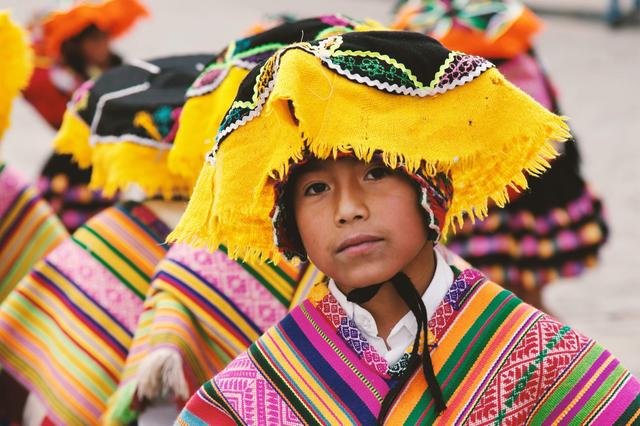
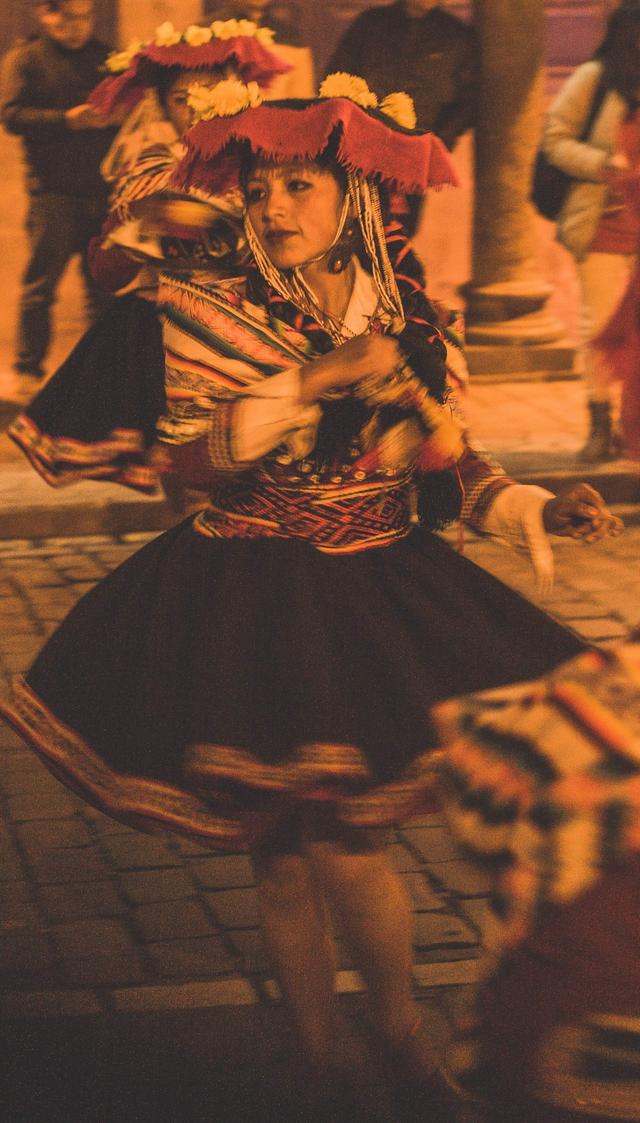
Textiles play a central role in the social fabric of life on Taquile: what a person wears communicates their marital status, community role, and standing. Festivals such as Inti Raymi bring the island to life with traditional music played on the charango (a type of guitar) and quena (a type of flute), along with dances passed down through generations.

Taquile Island's Textile Tradition
UNESCO Recognition of Taquile Weaving
Taquile's textile art was proclaimed a Masterpiece of the Oral and Intangible Heritage of Humanity in 2005, then formally inscribed on UNESCO's Representative List of the Intangible Cultural Heritage of Humanity in 2008. The recognition reflects that weaving remains a living, everyday practice: nearly everyone on the island, from young boys to elders, still knits or weaves as part of daily life.
What the Textiles Symbolize (Marital Status, Roles)
On Taquile, craft roles are reversed from what visitors may expect: men knit, including the iconic chullo caps, while women weave and spin wool into yarn. Boys learn to knit from a young age, and a man must display his marriageability to his future father-in-law by being able to knit a traditional chullo, or cap, which will hold water without losing a drop. A chullo's tassel can also be placed on either side of the head to indicate what kind of mood the wearer is in that day; its color and pattern can indicate whether a man is single or married.
Women engage in spinning yarn using wooden drop spindles, and in weaving using backstrap looms. Dyes are obtained from local plants and minerals. A woman who is about to marry weaves a chumpi, or belt, from her own hair, to be worn by her fiancé, as well as a special calendar chumpi that shows her hopes for their life together in a timeline.
These intricate chumpi belts worn by both men and women demonstrate community role and status. Recurring pictographs, such as stars, rivers, birds, and alpacas, each carry their own meaning, turning every piece into a woven biography, reflecting the wearer’s aspirations, hopes, and dreams.
Where to Buy Authentic Taquile Textiles
The best place to purchase textiles is the community-run artisan’s cooperative near the main plaza, where proceeds go directly to local weavers. Prices are generally fixed and fair, and shopping here supports the families who practice weaving and knitting traditions.
Top Things to Do on Taquile Island
Hiking the Island's Terraced Trails
Taquile's network of stone paths crosses agricultural terraces that date back centuries, offering a genuine, if physically demanding, hike. Because the island sits close to 4,000 meters, even gentle slopes can feel strenuous, so a slow pace and plenty of water are essential.
Visiting the Main Plaza and Archways
At the heart of the island, the main plaza is framed by carved stone archways that have become one of Taquile's most photographed features. The square is also home to the artisan cooperative, a small church, and community gathering spaces.
Enjoying Lake Titicaca Viewpoints
Several lookout points along the island's ridgeline open onto sweeping views of Lake Titicaca's deep blue water and the snow-capped Andes in the distance. Sunset is a particularly good time to visit, when the light over the water is at its most dramatic.

How to Visit Taquile Island
Most travelers visit Taquile as part of a guided day tour that combines the island with a stop at the Uros floating islands, departing Puno in the morning and returning in the afternoon. Independent travelers can also buy a round-trip ticket for a public boat directly at Puno's harbor, usually valid for up to 15 days, allowing more flexibility. For a deeper experience, some visitors arrange an overnight homestay with a local family, waking up to the island before the day-trip crowds arrive. Whichever option you choose, pack layers, sun protection, and cash in Peruvian soles, and dress modestly out of respect for the community.
If you're planning a broader Lake Titicaca itinerary, it's worth checking Explorandes' Lake Titicaca tours, which combine Taquile with the Uros Islands and Amantani depending on how much time you have. If you'll also be spending time in Cusco beforehand, this guide to altitude sickness covers acclimatization tips that apply equally well to Lake Titicaca's high elevation.
Best Time to Visit Taquile Island
The dry season, from roughly May to October, is best, with clearer skies, calmer water, and more reliable boat crossings. June through August is peak season but also the coldest, with nights that can drop below freezing and August bringing stronger winds. May and September offer a good middle ground: dry conditions with fewer visitors. The wet season, from November to March, brings a greener landscape and thinner crowds, but afternoon rain and choppier water are more likely.
Because Taquile sits at extreme altitude, acclimatizing in Puno or Cusco for a day or two beforehand is strongly recommended for anyone prone to altitude sickness.

Taquile Island vs. Other Lake Titicaca Islands
Taquile is usually visited alongside two other well-known destinations on Lake Titicaca, each offering a distinct experience. The Uros floating islands, built entirely from totora reeds, sit closest to Puno and are the easiest add-on if you only have a few hours; they're the most visited and the best set up for quick tourist stops.
Amantani Island, a short distance beyond Taquile, is best known for overnight homestays with local families and a quieter, less commercialized feel. Taquile sits between the two in character: it is on solid ground rather than floating reeds, more physically active than Uros thanks to its hiking trails, and centered on its UNESCO-recognized weaving culture rather than homestays alone.
If you're mapping out your route, it's worth reading a dedicated guide to Amantani Island and one to the Uros Floating Islands to decide how to combine them with your visit to Taquile.
Frequently Asked Questions
How do you get to Taquile Island?
Taquile is reached exclusively by boat from the port of Puno. Tourist boats and public colectivos both make the crossing, with the option to stop at the Uros floating islands along the way.
How long does it take to reach Taquile Island from Puno?
A regular boat takes about 2.5 to 3 hours, while a speedboat can make the trip in roughly 1 to 1.5 hours. Times increase if the boat stops at Uros en route.
Is Taquile Island worth visiting?
Yes. Taquile combines a UNESCO-recognized living textile tradition, scenic terraced hiking trails, and lake and mountain views that make it a rewarding stop on Lake Titicaca for travelers interested in culture as well as scenery.
Can you stay overnight on Taquile Island?
Yes, a limited number of family-run guesthouses and homestays are available on the island, offering a quieter experience once the day-trip boats have left.
What is Taquile Island famous for?
Taquile is best known for its UNESCO-recognized textile tradition, in which men knit and women weave, along with its terraced hillsides, stone archways, and well-preserved Quechua community life.
Do you need a permit to visit Taquile Island?
No special permit is required. Entrance is generally included in the cost of the round-trip boat ticket, which also supports the local community.
What is the difference between Taquile and Amantani Island?
Taquile is more focused on day hikes, terraced landscapes, and its textile culture, while Amantani is better known for overnight homestays with local families and a quieter, less-visited atmosphere.


this season featured experiences
HIKING & TREKKING

inca trail to machu picchuInca Trail to Machu Picchu is more than just a hike—it’s a 5-day journey through breathtaking landscapes, ancient Inca ruins, cloud forests, and the iconic Sun Gate (Inti Punku). With expert guides, sustainable practices, and full support along the route, you’ll experience an unforgettable adventure that blends history, culture, and natural beauty. Don’t miss this once-in-a-lifetime trek—book your Inca Trail to Machu Picchu tour today and secure your permit before spaces run out.
March - December
5 days / 4 nights
From
$ 1499
/ Per PersonHIKING & TREKKING

huayhuash circuitThe Huayhuash Circuit trek explores Peru’s remote, stunning mountains, crossing high passes, alpine lakes, and wild valleys, following legendary climbers’ paths for an unforgettable 14-day adventure.
April - October
14 days / 13 nights
From
$ 2700
/ Per PersonHIKING & TREKKING

the hidden valleys of salkantayStarting near Limatambo, our Salkantay Trek ascends to Cruzjasa Pass, offering stunning views, then descends through Cusichaca Valley, explores Inca sites, and ends in Ollantaytambo.
April - December
5 days / 4 nights
From
$ 1499
/ Per PersonHIKING & TREKKING

the great inca trail - northHike over 70 km of the Great Inca Trail, exploring archaeological sites, diverse landscapes, and engineering marvels, including Chavín de Huantar and Huánuco Pampa.
April - October
6 days / 5 nights
From
$ 2700
/ Per PersonHIKING & TREKKING

around alpamayoThe Around Alpamayo offers breathtaking mountain views, secluded lakes, ancient forests, and impressive peaks, on a 12-day trek.
May - September
12 days / 11 nights
From
$ 2600
/ Per Person