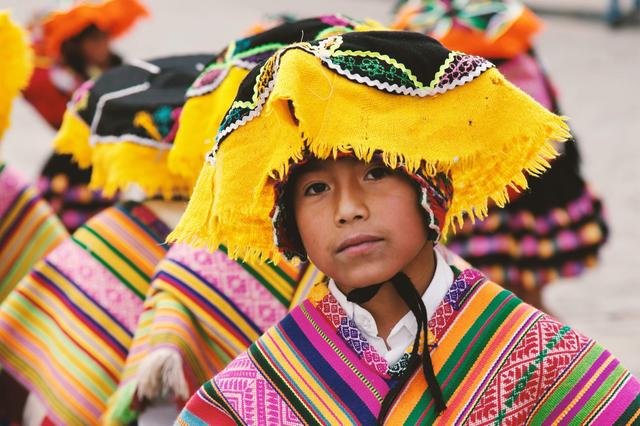

Amantani Island Lake Titicaca
amantani island: a complete guide to lake titicaca's hidden gemSacred Lake Titicaca, the world’s highest navigable lake, runs through parts of both Peru and Bolivia. It is home to several unique cultures and a variety of unusual flora and fauna. The Uros People use totora reeds to build and reinforce their “floating islands,” which can be moved if necessary. The Island of Taquile is home to a culture where the men knit and the women weave. And Island of Amantani is home to ten Quechua-speaking communities that embrace and uphold traditional Andean island ways.

By Laurel ThompsonSep 1, 2026
Quick Facts: Amantani Island
| Detail | Information |
|---|---|
| Location | Lake Titicaca, Puno Region, Peru |
| Distance from Puno | About 36 km (22 miles) |
| Boat travel time | Roughly 3–4 hours from Puno |
| Size | Approximately 9 km² (3.5 sq mi) |
| Population | Roughly 3,500–4,000 residents |
| Language | Quechua (Spanish widely spoken) |
| Elevation | About 3,800–3,900 m (12,500–12,800 ft) |
| Highest Points | Pachatata and Pachamama peaks (~4,150 m) |
| Best time to visit | Dry season, May to September (verify seasonally) |
| Typical stay | 1–2 nights via homestay with a local family |
Rising serenely from the deep blue waters of Lake Titicaca, Amantani Island is one of the last places in Peru where Andean life continues much as it has for centuries. Far enough from Puno to avoid crowds of tourists, this circular island of terraced hillsides and adobe villages offers travelers a rare chance to immerse in Andean island life. An Amantani homestay allows visitors to sleep in a local home, climb to pre-Inca temples, and watch the sun set over Lake Titicaca’s deep blue waters. This guide covers everything you need to plan a visit to Amantani Island, Lake Titicaca's understated cultural gem.

What Is Amantani Island?
Amantani Island sits in the Peruvian half of Lake Titicaca, a short distance north of Taquile Island. Roughly circular and covering about 9 square kilometers, it is one of the larger inhabited islands on the lake, home to a close-knit Quechua-speaking population spread across ten small communities. Unlike the nearby Floating Islands of Uros, Amantani is a solid landmass shaped by centuries of agricultural terracing. It has no roads, no cars, and no dogs — just footpaths connecting fields, stone houses, and two sacred hilltops that dominate the skyline.
How to Get to Amantani Island from Puno
The only way to reach Amantani Island is by boat across Lake Titicaca, departing from the port of Puno.
Boat Routes and Travel Time
Boats leave Puno's harbor in the morning, typically between 7:00 and 8:30 a.m., and the crossing takes about three to four hours depending on the vessel and conditions. Tourist boats are generally faster, safer, and more comfortable than the local supply boats that also make the trip. Most visitors book through a tour operator, which bundles the round-trip boat fare with a guide and homestay arrangements.
Combining Amantani with Taquile Island
Because the crossing is long, most itineraries pair Amantani with a stop at Taquile Island, famous for its handwoven textiles, and the Floating Uros Islands. A typical two-day route visits Uros on the way out, overnights on Amantani, and stops at Taquile on the return, making efficient use of the time spent on the water.

The People and Culture of Amantani Island
Amatani’s roughly 3,500 to 4,000 residents live largely as their ancestors did, farming the island's terraces and maintaining traditions that tourism has only lightly touched.
Quechua Traditions and Daily Life
Islanders speak Quechua as their first language, though Spanish is common among younger generations and those working in tourism. Daily life revolves around subsistence farming — potatoes, quinoa, and wheat grown on stone-walled terraces — along with fishing, weaving, and raising livestock. Community decisions are made collectively, and a rotating hosting system ensures that homestay income is shared fairly among island families.
Island Guidelines
Islanders follow certain rules to protect their cultural integrity. Motor vehicles are not allowed; neither are dogs, as livestock might be threatened. Large businesses like commercial hotels are absent on the island; tourism operates on a rotation system that allows each family to benefit from the added income visitors bring. The homestay is designed to bring cultures together, allowing each party to benefit. Visitors are encouraged to participate in traditions, especially dancing, during their time on the island.
Homestay Experiences with Local Families
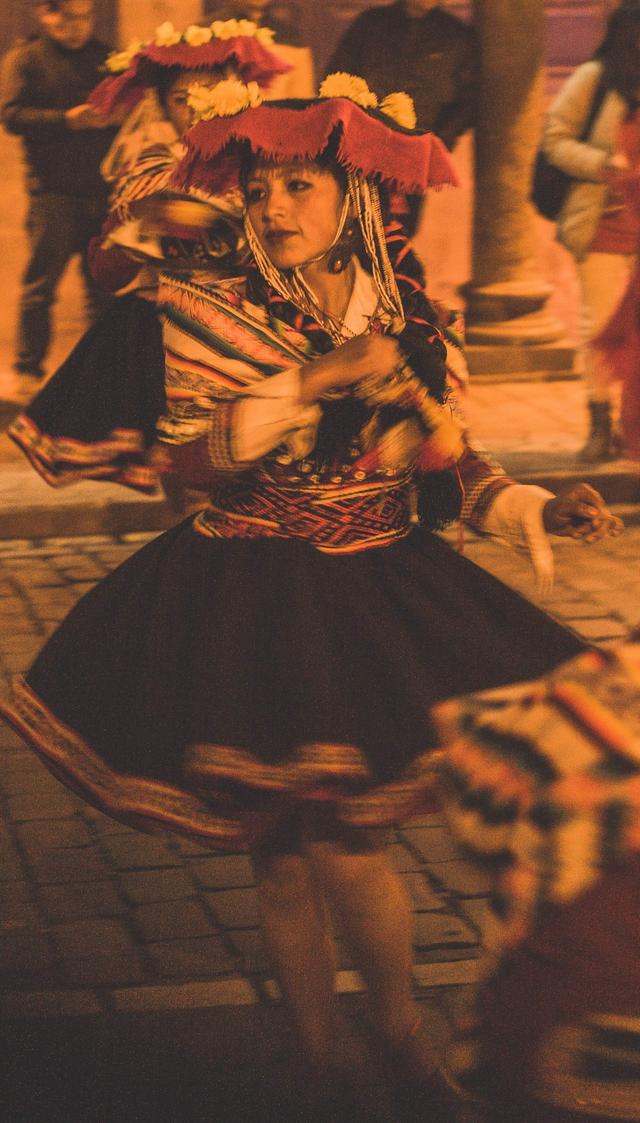
The heart of an Amantani visit is the homestay. On arrival, visitors are assigned to a host family, who provide a simple room, home-cooked meals, and an introduction to island customs. Many families help their guests dress in traditional clothing for an evening of music and dance. It's customary to bring a small gift — rice, fruit, or school supplies (items not easily obtained on the island) as a token of visitors’ appreciation.
Top Attractions on Amantani Island
Beyond the homestay itself, Amantani offers a handful of sights worth the climb.
Pachamama and Pachatata Temples
The island's two highest points, Pachamama (Mother Earth) and Pachatata (Father Earth), hold ceremonial ruins dating to the pre-Inca Tiwanaku period. Local communities still hold rituals here each January, and the temples remain some of the most significant sacred sites on Lake Titicaca.
Agricultural Terraces and Andean Farming
Amatani’s hillsides are shaped by centuries-old terracing, a farming technique where crops grow on steep Andean slopes in leveled-off terraces, thus preventing soil erosion. Walking the terraces offers a close look at traditional Andean agriculture techniques that have endured over millennia. Potatoes, quinoa, and corn are the major crops grown here.
Sunset Viewpoints
Both Pachamama and Pachatata offer sweeping views over Lake Titicaca, and reaching either peak in the late afternoon rewards visitors with a memorable sunset, framed by the lake and distant Andean peaks.

What to Expect During a Visit to Amantani Island
A night on Amantani is as much a cultural exchange as a sightseeing stop.
Traditional Dance Nights
Many host families invite guests to a community dance in the evening, complete with traditional dress, panpipe, and drum music. Joyful participation is encouraged. It's an informal, good-humored way to connect with the community.
Local Handicrafts and Textiles
Amatani’s residents produce woven textiles, ceramics, and handicrafts, often sold directly by the artisans who made them. Buying souvenirs directly from families supports the local economy and empowers islanders to continue their traditional lifestyle.
Best Time to Visit Amantani Island
The dry season, generally running from May to September, is widely considered the best time to visit Amantani Island, with clearer skies, less rainfall, and more stable conditions for hiking and boat travel. The wetter months, from December to March, bring a greener landscape and fewer visitors, but also a higher chance of rain and rougher lake crossings.

Practical Tips for Visiting Amantani Island, Lake Titicaca
A little preparation goes a long way at this altitude and in this remote setting.
What to Pack
Bring layered clothing, since days can be warm and nights drop close to freezing; a warm jacket, sturdy walking shoes, sun protection, and a headlamp are all useful. There are no ATMs on the island, so carry enough cash for handicrafts and any extras. Small gifts for host families, such as fruit or rice, are very much appreciated.
Altitude and Health Considerations
Amantani sits close to 3,800 meters (12,500 feet) above sea level, so altitude sickness is a real consideration. Spend a day or two acclimatizing in Puno beforehand, stay hydrated, drink coca tea, and take the walk to Pachamama or Pachatata slowly.
Amantani Island is a highlight of any visit to Lake Titicaca. Read more in our complete Lake Titicaca guide, or explore our Journey to the Heart of Titicaca to experience Amantani, Taquile, and the Uros Islands with Explorandes. Contact us here.
Frequently Asked Questions About Amantani Island
How do you get to Amantani Island?
You reach Amantani Island by boat from the port of Puno, a crossing that typically takes three to four hours. Most travelers book a guided tour that includes transportation, a homestay, and often a stop at Taquile or the Uros Islands.
How big is Amantani Island?
The island covers approximately 9 square kilometers (about 3.5 square miles) and is home to roughly 3,500 to 4,000 residents living across ten small communities.
What is Amantani Island known for?
Amantani is best known for its authentic homestay tourism, Quechua culture, agricultural terraces, and the pre-Inca temples of Pachamama and Pachatata, which offer some of the best sunset views on Lake Titicaca.
Can you stay overnight on Amantani Island?
Yes — an overnight homestay with a local family is the centerpiece of almost every visit to Amantani Island, offering home-cooked meals and a firsthand look at island life.
What language do people speak on Amantani Island?
Residents primarily speak Quechua, though Spanish is also spoken, particularly among younger islanders and those involved in tourism.
Is Amantani Island the same as Taquile Island?
No. Amantani and Taquile are separate islands on Lake Titicaca, located near each other and often visited together. Taquile is known for its award-winning textile traditions, while Amantani is best known for its homestays and hilltop temples.
What is the best time of year to visit Amantani Island?
The dry season from May to September generally offers the most stable weather for visiting Amantani Island, though travelers should confirm current conditions before planning a trip.


this season featured experiences
HIKING & TREKKING

inca trail to machu picchuInca Trail to Machu Picchu is more than just a hike—it’s a 5-day journey through breathtaking landscapes, ancient Inca ruins, cloud forests, and the iconic Sun Gate (Inti Punku). With expert guides, sustainable practices, and full support along the route, you’ll experience an unforgettable adventure that blends history, culture, and natural beauty. Don’t miss this once-in-a-lifetime trek—book your Inca Trail to Machu Picchu tour today and secure your permit before spaces run out.
March - December
5 days / 4 nights
From
$ 1499
/ Per PersonHIKING & TREKKING

huayhuash circuitThe Huayhuash Circuit trek explores Peru’s remote, stunning mountains, crossing high passes, alpine lakes, and wild valleys, following legendary climbers’ paths for an unforgettable 14-day adventure.
April - October
14 days / 13 nights
From
$ 2700
/ Per PersonHIKING & TREKKING

the hidden valleys of salkantayStarting near Limatambo, our Salkantay Trek ascends to Cruzjasa Pass, offering stunning views, then descends through Cusichaca Valley, explores Inca sites, and ends in Ollantaytambo.
April - December
5 days / 4 nights
From
$ 1499
/ Per PersonHIKING & TREKKING

the great inca trail - northHike over 70 km of the Great Inca Trail, exploring archaeological sites, diverse landscapes, and engineering marvels, including Chavín de Huantar and Huánuco Pampa.
April - October
6 days / 5 nights
From
$ 2700
/ Per PersonHIKING & TREKKING

around alpamayoThe Around Alpamayo offers breathtaking mountain views, secluded lakes, ancient forests, and impressive peaks, on a 12-day trek.
May - September
12 days / 11 nights
From
$ 2600
/ Per Person