
Set atop several flights of Spanish colonial steps on the hillside above Cusco's historic center, San Blas is the city's most intriguing and artistic corner. Replete with little shops, cafés, and the iconic “Paccha” cascading fountain, the San Blas neighborhood is a labyrinth of narrow cobblestone streets, whitewashed colonial houses, and generations-old artisan workshops. Known as “the balcony of Cusco” for its sweeping rooftop views, San Blas Cusco blends Inca foundations, colonial architecture, and a living tradition of woodcarving, ceramics, and religious art. Whether you're seeking the best viewpoint over Cusco, hunting for authentic souvenirs, or simply want to wander somewhere with genuine local charm, San Blas Cusco Peru rewards every visitor willing to climb those stone steps.

By Laurel ThompsonSep 4, 2026
What Is San Blas Cusco?
San Blas is a hillside neighborhood just northeast of Cusco's Plaza de Armas, long celebrated as the city's artisan and bohemian quarter. During the Inca era, this sector was known as T'oqokachi, meaning “Salt Cave,” due to a gushing salt spring that once flowed here. This was a prized neighborhood in Inca times, where members of the nobility resided. After the Spanish conquest, colonial builders raised whitewashed houses and a small parish church directly atop the Inca stone foundations. This layering of cultures is still visible in the neighborhood's walls today.
Modern San Blas Cusco Peru keeps that dual identity alive. Its narrow, largely pedestrian streets are lined with family-run workshops producing ceramics, woodcarvings, textiles, clothing, and jewelry, alongside independent galleries, specialty coffee shops, and rooftop restaurants. It's a compact, walkable district — but one built almost entirely on a slope, so be prepared to climb whilst exploring it. At the edge of San Blas, some 300 - 400 stone stairs continue all the way up to the ruins of Sacsayhuamán, should you wish to exert yourself and gain some amazing viewpoints over the red roofs of Cusco, before paying a visit to those iconic ruins.

San Blas Cusco Quick Facts
| Category | Details |
|---|---|
| Location | Roughly 4–6 blocks (about a 10–15-minute walk) northeast of Plaza de Armas |
| Elevation | Approximately 3,450–3,500 meters (11,320–11,480 ft), around 50–100 m higher than the Plaza de Armas |
| Best known for | Artisan workshops, colonial architecture, panoramic viewpoints, and a bohemian café scene |
| Founded / historical period | Inca-era settlement (T’oqokachi); colonial church built in 1563 |
| Main attractions | San Blas Church, Plaza San Blas, artisan workshops, San Blas Viewpoint, Mendívil workshop |
| Best time to visit | May–September (dry season); early morning for fewer crowds |
| Recommended visit duration | 2–4 hours, or a half-day including cafés and workshops |
Where Is San Blas Located in Cusco?
San Blas sits on a hillside directly northeast of Cusco's Plaza de Armas, occupying the slope that rises toward Sacsayhuamán. Its position above the main square is what gives the neighborhood its nickname, “the balcony of Cusco,” since many of its streets and rooftops open onto views of the cathedral and the red-tiled roofs of the historic center below.
How to Walk from Plaza de Armas to San Blas
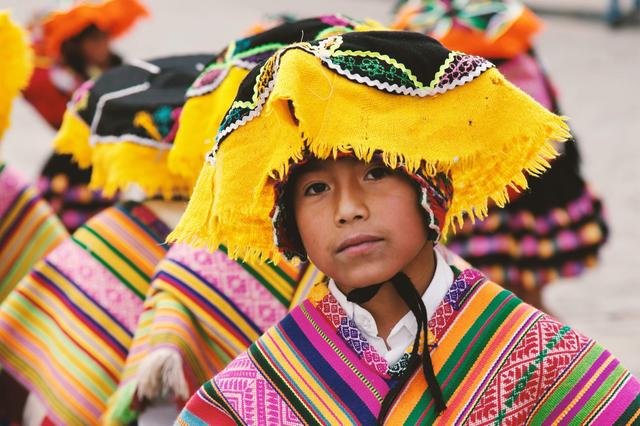
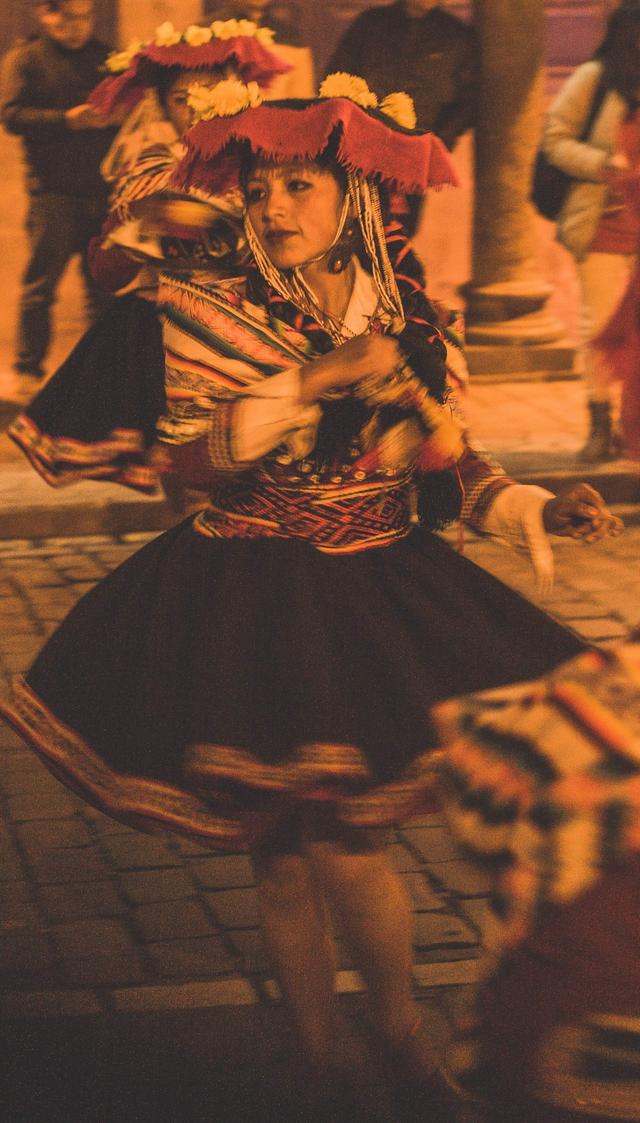
The classic route starts at the Plaza de Armas and follows Hatunrumiyoc Street — home to the famous twelve-sided Inca stone — before continuing uphill along Cuesta San Blas, the neighborhood's main artery. The walk is short in distance but steep, winding past stone-walled colonial buildings until it opens onto the small, sunny Plaza San Blas. From there, side streets like Siete Borreguitos and the Sapantiana arch lead deeper into the artisan quarter. Here you’ll encounter folks dressed in traditional clothing, some leading alpacas or burros; many small shops that offer handmade clothing, natural products, paintings, carvings, and sculptures; and cafés and eateries offering a variety of desserts, savory empanadas, and specialty coffee drinks.

Distance and Elevation from the Main Square
San Blas is only a few blocks from the Plaza de Armas — close enough to reach on foot in 10 to 15 minutes — but the climb involves a real elevation gain. While the Plaza de Armas sits at about 3,400 meters (11,150 ft), San Blas rises to roughly 3,450–3,500 meters (11,320–11,480 ft). That difference, combined with steep cobblestones, makes the walk feel more strenuous than the short distance suggests, especially for travelers who haven't yet acclimatized to Cusco's altitude. It is fine to pause and catch your breath as you ascend those stone steps! Alternatively, slip into one of the shops or restaurants located on the way up and take a break between flights.
History of San Blas, Cusco's Artisan Neighborhood
Long before it became Cusco's artistic quarter, this hillside was known in Quechua as T'oqokachi, or “Salt Cave,” and formed part of an important residential sector during the Inca Empire, home to nobility connected to the ruling class. After the Spanish invasion, colonial authorities built directly over existing Inca stonework, a pattern still visible today in the solid Inca foundations that support many of San Blas's colonial-era walls and houses.
The parish church at the heart of the neighborhood, built in 1563, was raised over an earlier Inca shrine dedicated to Illapa, the god of thunder. Inside, the elaborate pulpit -carved from a single cedar tree trunk- is widely regarded as a masterpiece of Andean Baroque woodcarving. It is attributed to Indigenous artisan Juan Tomás Tuyro Túpac. Legend recounts that the artist, miraculously cured of leprosy, carved the pulpit as a show of gratitude for his healing; it is also rumored that his skull is hidden within its base.
Over the following centuries, San Blas developed a reputation as home to Cusco's most skilled woodcarvers, santeros (makers of religious figures), and metalworkers. That identity persists to the present. Artists like Hilario Mendívil and Edilberto Mérida have built on generations of tradition to make San Blas synonymous with Cusco's finest arts and crafts.

Top Things to Do in San Blas Cusco
1. Iglesia de San Blas (San Blas Church)
The neighborhood's namesake church stands just on the side of Plaza San Blas and is considered one of Cusco's most significant colonial temples. Built in 1563 atop an earlier Inca structure, its understated stone exterior gives no hint of the ornate hand-carved cedar pulpit inside, often cited as one of the finest examples of Andean Baroque woodwork in the Americas. Entry is typically included with Cusco's Boleto Turístico, or you can purchase an individual ticket for a modest fee.
2. Artisan Workshops and Art Galleries
San Blas has been Cusco's craft hub since the colonial period, and many workshops here are still family-run, passing down techniques from one generation to the next. Wandering the streets around Plaza San Blas, visitors can watch woodcarvers, ceramicists, and jewelers at work and browse galleries selling pieces found nowhere else in the city.
3. Tater Vera (pukará bulls)
On San Blas Plaza, Tater Vera is a creator of Pukará Bulls, a pair of which can be seen on many Andean rooftops. These bulls are thought to bring protection and good luck to the inhabitants.
4. Don Edilberto Mérida
His shop is located on Calle Carmen Alto, just above San Blas Plaza, sculpted statues that depict the struggle and beauty of Andean daily life. His daughter, who now runs the shop, continues his legacy.
5. Hilario Mendívil's Santero Legacy
Just off Plaza San Blas, the Mendívil family workshop displays the elongated-neck religious sculptures that made Hilario Mendívil one of Cusco's most celebrated 20th-century santeros.
6. Best Viewpoint
On Kiskapata Street, a short but steep climb above the main square, the San Blas Viewpoint offers one of the best panoramas in Cusco — a sweeping view over the cathedral, the historic center's terracotta rooftops, and the surrounding mountains. Sunset is a particularly popular time to visit.
7. Cafés, Restaurants, and Local Life
San Blas's rooftop cafés and restaurants take full advantage of the hillside views, serving specialty Peruvian coffee drinks, craft chocolate, and contemporary takes on local cuisine. On weekends, the Plaza San Blas and its market fill with artisan stalls, street performers, and neighborhood life that feels distinctly separate from the busier Plaza de Armas down below.
Best Time to Visit San Blas Cusco
The dry season, roughly May through September, offers the clearest skies and easiest walking conditions for exploring San Blas's steep, uneven streets. Mornings tend to be quieter and cooler, ideal for photographing the neighborhood's colonial architecture before tour groups arrive, while late afternoon is best for catching the golden light from the San Blas Viewpoint. The rainy season (November–March) brings more frequent showers, which can make the cobblestones slippery, though the neighborhood is still very visitable with the right footwear and a flexible schedule.

Where to Stay Near San Blas Cusco
San Blas is one of Cusco's most popular areas for boutique hotels and guesthouses, prized for its quiet, artistic atmosphere and proximity to the historic center. Many properties are tucked into converted colonial buildings along steep pedestrian streets, offering rooftop terraces with views over the city and greater tranquility in exchange for a climb up plenty of stairs. Staying in San Blas puts guests within easy walking distance of the Plaza de Armas while offering a more residential, less touristy base for exploring Cusco — though travelers with mobility concerns or who haven't yet acclimatized to the altitude may prefer a flatter location closer to the main square.
Tips for Visiting San Blas Cusco
- Mind the altitude. San Blas sits higher than the already-elevated Plaza de Armas, so give yourself a day or two to acclimatize to Cusco before tackling its steep streets, especially if you've just arrived from lower elevations.
- Wear proper footwear. The neighborhood's cobblestone streets are uneven and steep. They can also be slippery when wet, so supportive shoes with good grip are essential.
- Check workshop hours. Artisan workshops and galleries generally keep daytime hours and may close for lunch or on Sundays, so it's worth visiting San Blas earlier in the day if you want to visit the workshops. Many vendors close for a daily siesta after lunch until late afternoon.
- Pace yourself. Between the incline and the altitude, plan for a slower walking pace than you might expect, with stops for water, snacks, and rest.
- Visit on a Saturday, if possible, when the Plaza San Blas hosts an artisan’s market with a wide range of local goods for sale.
Plan Your Visit to San Blas, Cusco, Peru
From Inca foundations and an elaborate cedar pulpit to family workshops still practicing centuries-old crafts, San Blas Cusco offers a side of the city where meandering and playful exploring offer the greatest reward. Whether you're climbing to the viewpoint for sunset, browsing artisan galleries, or simply enjoying a coffee on a rooftop terrace, this hillside quarter captures the creative spirit that makes Cusco more than just a gateway to Machu Picchu. Start planning your walk up to San Blas Cusco, Peru, and experience the city's bohemian artisan quarter for yourself.
Explorandes will be thrilled to help arrange your visit to San Blas Cusco as part of your exploration of Cusco and the Sacred Valley. Reach out to us here.
Frequently Asked Questions About San Blas Cusco
Is San Blas walkable from Plaza de Armas?
Yes. San Blas is only about 4–6 blocks from the Plaza de Armas, roughly a 10–15-minute walk, though the route is steep and involves a real elevation gain.
Why is San Blas called the artisan neighborhood?
San Blas has been home to Cusco's woodcarvers, ceramicists, and santeros since the colonial era, and many of today's workshops and galleries are run by families who have practiced their craft for generations.
What is the significance of the San Blas Church?
Built in 1563 over an earlier Inca shrine, the church houses a cedar pulpit widely regarded as one of the finest examples of Andean Baroque woodcarving in Peru.
Is San Blas safe for tourists?
San Blas is generally considered a safe, well-visited neighborhood, though travelers should take the same precautions as anywhere in central Cusco, particularly at night and on quieter side streets.
How difficult is the walk to San Blas for visitors with altitude sensitivity?
Because San Blas sits higher than the Plaza de Armas and requires climbing steep cobblestone streets, it can feel more strenuous than the short distance suggests. It's best attempted after a day or two of acclimatization to Cusco's elevation.


this season featured experiences
HIKING & TREKKING

inca trail to machu picchuInca Trail to Machu Picchu is more than just a hike—it’s a 5-day journey through breathtaking landscapes, ancient Inca ruins, cloud forests, and the iconic Sun Gate (Inti Punku). With expert guides, sustainable practices, and full support along the route, you’ll experience an unforgettable adventure that blends history, culture, and natural beauty. Don’t miss this once-in-a-lifetime trek—book your Inca Trail to Machu Picchu tour today and secure your permit before spaces run out.
March - December
5 days / 4 nights
From
$ 1499
/ Per PersonHIKING & TREKKING

huayhuash circuitThe Huayhuash Circuit trek explores Peru’s remote, stunning mountains, crossing high passes, alpine lakes, and wild valleys, following legendary climbers’ paths for an unforgettable 14-day adventure.
April - October
14 days / 13 nights
From
$ 2700
/ Per PersonHIKING & TREKKING

the hidden valleys of salkantayStarting near Limatambo, our Salkantay Trek ascends to Cruzjasa Pass, offering stunning views, then descends through Cusichaca Valley, explores Inca sites, and ends in Ollantaytambo.
April - December
5 days / 4 nights
From
$ 1499
/ Per PersonHIKING & TREKKING

the great inca trail - northHike over 70 km of the Great Inca Trail, exploring archaeological sites, diverse landscapes, and engineering marvels, including Chavín de Huantar and Huánuco Pampa.
April - October
6 days / 5 nights
From
$ 2700
/ Per PersonHIKING & TREKKING

around alpamayoThe Around Alpamayo offers breathtaking mountain views, secluded lakes, ancient forests, and impressive peaks, on a 12-day trek.
May - September
12 days / 11 nights
From
$ 2600
/ Per Person