
Trekking in Peru
trekking in peru: the best trails and destinations for adventureTrekking in Peru is one of the most rewarding ways to experience South America, blending spectacular Andean landscapes, remote wild beauty, and rich cultural heritage. From iconic Inca pathways to secluded alpine circuits, Peru trekking routes offer something for every type of traveler. Whether you're seeking a bucket-list hike or a quieter cultural experience, this guide covers the best treks in Peru, where to go, and how to plan your journey.

By Laurel ThompsonApr 30, 2026
What Makes Trekking in Peru Unique
Peru stands out for its combination of ancient history, living culture, natural beauty, and diverse geography. Some of the world’s oldest civilizations emerged in Peru, and one can see evidence of ancient cultures on both accessible and remote treks. Some of the most spectacular mountain peaks on Earth are found here as well. Overall, it is hard to imagine a country that offers as wide a variety of landscapes, culture, nature, and history as Peru.

Ancient Trails, Archaeology, and Abundant Nature
Many trekking routes follow original Inca roads, connecting archaeological sites, terraces, and sacred landmarks. Routes like the Inca Trail to Machu Picchu are a prime example of this unique blend of history and hiking. Following in the steps of the ancients, the Inca Trail offers what for many is a life-transforming experience that includes physical challenge, ancient ruins, and a variety of unique ecosystems. Traversing these changing bio-regions, from snow-capped peaks to misty cloud forests, makes trekking in Peru visually dynamic and constantly changing.
Cultural Immersion
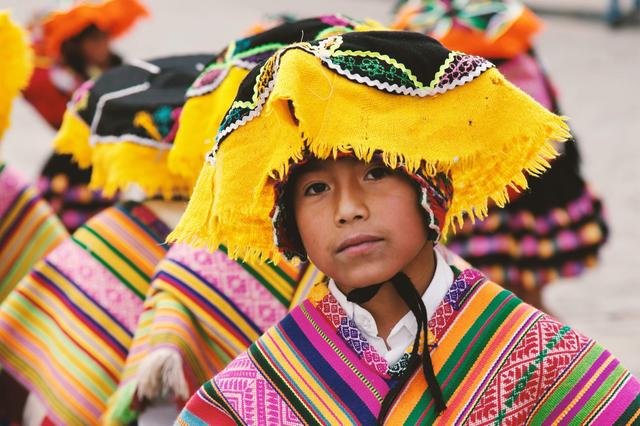
Trekkers frequently pass through Quechua communities where traditions remain deeply rooted in daily life. Cultural routes such as the Lares Trek offer meaningful interaction with local families. Visitors can learn about villagers’ daily activities including agriculture, care of livestock like alpacas, sheep, and llamas, and perhaps participate in a demonstration of the ancient skills of weaving and dyeing using materials sourced from nature. Sharing a typical meal made from locally grown ingredients is a wonderful way to get to know folks whose worldview is very different from your own.
The Main Trekking Regions in Peru
Cusco and the Sacred Valley
The most popular region for trekking in Peru, home to the iconic Machu Picchu and classic routes like the Inca Trail, Salkantay Trek, and Lares Trek. The latter two can even be combined with the Inca Trail to create an even more varied and encompassing experience that culminates at Machu Picchu.

Cordillera Blanca (Huaraz)
A premier destination for high-altitude trekking, known for dramatic peaks and turquoise glacial lakes. This incredible region offers something for every level of trekker, from single-day visits to more accessible glacial lakes, to treks of longer than a week that require careful preparation and planning. This Glacial Lake Trek offers trekkers the experience of crystalline lakes, archaeology, and dramatic mountain peaks. The Santa Cruz Trek combines towering summits, cultural experiences in local villages, and shimmering lagoons for an immersive and inspiring experience.

Ausangate Region
A remote and less crowded area offering high-altitude circuits and striking mountain scenery, including the Ausangate Trek. Trekkers who want a more off-the-beaten- path experience that provides interaction with local villagers and breathtaking views will enjoy this exploration of sacred Apu Ausangate, Peru’s fifth-highest mountain.

Colca Canyon
Near Arequipa, “the white city,” the Colca Canyon region combines deep canyon trekking with traditional villages and unique cultural encounters. Colca, among the world’s deepest canyons, is home to the majestic Andean Condor, which can be observed gliding on the air currents between stony mountain outcrops, hardly flapping a wing.

The Most Famous Routes for Trekking in Peru
These iconic trails are often considered the best treks in Peru.
Inca Trail to Machu Picchu
The most iconic of all Peru trekking routes, featuring a mix of Inca ruins, mountain scenery, a wander through the unique cloud forest ecosystem, and a dramatic arrival at Machu Picchu through the Sun Gate. Due to high demand, permits must be booked well in advance.
Salkantay Trek
One of the best treks in Peru for those seeking variety, with landscapes ranging from glaciers to jungle. It’s a popular alternative trek to the Inca Trail, offering a variety of ecosystems and one spectacular view after another. Culminates with an overnight in Ollantaytambo and a train ride to Machu Picchu the following day.

Lares Trek
A culturally-focused trek through Andean communities, ideal for travelers interested in learning about local traditions and avoiding crowds. This trek can end at the famous Lares Hot Springs or be combined with a further trek that ends at the iconic citadel of Machu Picchu.
The Best High-Mountain Treks in Peru
For experienced hikers, these routes offer some of the most spectacular scenery in the Andes.
Ausangate Trek
A challenging high-altitude circuit with views of glaciers, shimmering lagoons, and colorful mountain landscapes. Ausangate, a sacred peak, or Apu, is the fifth highest mountain in the Peruvian Andes. This trek provides a glimpse into the life of remote high-mountain cultures that have maintained their rich traditions for hundreds of years.
Huayhuash Circuit
Widely considered one of the best alpine treks in the world, offering remote and rugged scenery for seasoned trekkers. The movie Touching the Void was made about Simpson and Yates’ harrowing experience scaling Siula Grande, one of the prominent peaks in this range.

Santa Cruz Trek
A classic easy-to-moderate trek in the Cordillera Blanca, the highest tropical mountain range in the world, combining accessibility with spectacular views; making it a great introduction for folks who are new to high-altitude trekking.
Cultural Trekking Experiences in Peru
Community-Based Treks
Routes like the Lares Trek allow travelers to engage with local communities and support sustainable tourism initiatives. Trekkers can observe farming, weaving, and daily practices that date back centuries, offering a deeper connection to the region. The Ausangate Trek and the Santa Cruz trek also include chances to interact with local villagers and learn something of their lifeways.

Short Treks and Day Hikes in Peru
Not all trekking in Peru requires multiple days. These shorter hikes are ideal for acclimatization and/or for those who want a taste of trekking but have limited schedules.
Rainbow Mountain (Vinicunca) and Palcoyo Mountain
Rainbow Mountain is a popular, challenging day hike known for its vibrant colors and panoramic views at high altitude. For a somewhat easier trek with similar vividly-colored striped hillside terrain, Palcoyo Mountain is a great and less-crowded alternative.
Humantay Lake
A short but rewarding hike to a striking glacial lake near Cusco. This 2–3-hour hike is considered somewhat challenging but is worth it when you reach brilliant turquoise Humantay glacial lake.
Cusco and Sacred Valley Hikes
The hills surrounding Cusco offer a variety of rewarding day hikes that combine scenery, history, and easy access. One popular option is the hike to the Inca ruins of Sacsayhuamán, Q’enqo, Puka Pukara, and Tambomachay, which can be linked together and accomplished on foot from the city for a half or full-day outing.
For something a bit more off the beaten path, the trail from Tambomachay, an Inca site dedicated to water, to Huchuy Qosqo ruins provides sweeping views over the Sacred Valley with far fewer crowds.

Hikers based in the valley can explore routes around Pisac, climbing from the town up through agricultural terraces to its impressive hilltop ruins, or wander the quieter paths near Ollantaytambo, where original Inca stonework and rural landscapes offer a more serene experience. These hikes are ideal for acclimatization, offering moderate elevation gain, cultural sites, and panoramic Andean views without the commitment of a multi-day trek.
Best Time for Trekking in Peru
The dry season, from May to September, is usually considered the best time for trekking in Peru, with clear skies and stable conditions. This is also the most popular time, so you may well encounter other trekkers. For still decent weather and a more tranquil experience, consider April and October, the “shoulder months.” Trekking during the wet season, November to March, is still possible; however, some routes may be slippery or muddy, and some trails may be closed. The Inca Trail is closed every February for maintenance.

Tips for Planning a Trekking Trip in Peru
Acclimatization
Spend 2–3 days at altitude before trekking to reduce the risk of altitude sickness. Cusco and the Sacred Valley are ideal places to adjust.
Permits and Booking
Some routes require advance permits, especially the Inca Trail. Booking with a reputable operator can simplify logistics.
Guided vs Independent Trekking
Guided treks provide logistics, safety, and cultural insight, while independent trekking offers flexibility for experienced hikers. Many travelers opt for guided experiences to enhance comfort and local understanding.
Final Thoughts
With its combination of cultural depth and natural beauty, trekking in Peru offers some of the most memorable hiking experiences in the world. From iconic routes to hidden trails, there is a perfect trek for every type of adventurer.
Explore more: Check out our Inca Trail tours, Salkantay Trek itineraries, Lares Trek experiences, and Ausangate trekking adventures to start planning your journey. Whichever route you choose, we will be very happy to assist you with all of the planning needed for an amazing Peru trekking adventure. Contact us here.

Frequently asked questions
What to pack for trekking in Peru?
- Essentials: Hiking boots, layered clothing, waterproof gear, sun protection, and a reusable water bottle.
- Recommended Extras: Trekking poles, snacks, a headlamp, and a basic first-aid kit can significantly improve comfort on the trail.
Be sure to check with your tour operator for a complete list of what is provided and what you are expected to bring for your trek.
What to wear trekking in Peru?
- Layering System: Base layer, insulating layer, and waterproof outer shell are key to adapting to changing mountain weather. Intense sun, chafing winds, and highly variable temperatures are all part of the Peru trekking experience.
- Footwear and Accessories: Well-broken-in hiking boots, warm socks, gloves, and a well-fitting hat with a brim are essential, especially at higher elevations.
Is trekking in Peru safe?
Yes, with proper preparation, acclimatization, and experienced guides when needed, trekking in Peru is generally safe.
Do I need a guide?
Some routes can be done independently, but guided treks are recommended for logistics, safety, and cultural insight.
What are the best treks in Peru for beginners?
Short hikes like Humantay Lake or day hikes in the Sacred Valley are excellent starting points before attempting longer routes.


this season featured experiences
HIKING & TREKKING

inca trail to machu picchuInca Trail to Machu Picchu is more than just a hike—it’s a 5-day journey through breathtaking landscapes, ancient Inca ruins, cloud forests, and the iconic Sun Gate (Inti Punku). With expert guides, sustainable practices, and full support along the route, you’ll experience an unforgettable adventure that blends history, culture, and natural beauty. Don’t miss this once-in-a-lifetime trek—book your Inca Trail to Machu Picchu tour today and secure your permit before spaces run out.
March - December
5 days / 4 nights
From
$ 1499
/ Per PersonHIKING & TREKKING

huayhuash trekThe Huayhuash Trek explores Peru’s remote, stunning mountains, crossing high passes, alpine lakes, and wild valleys, following legendary climbers’ paths for an unforgettable 12-day adventure.
April - October
12 days / 11 nights
From
$ 1750
/ Per PersonHIKING & TREKKING

the hidden valleys of salkantayStarting near Limatambo, our Salkantay Trek ascends to Cruzjasa Pass, offering stunning views, then descends through Cusichaca Valley, explores Inca sites, and ends in Ollantaytambo.
April - December
5 days / 4 nights
From
$ 1499
/ Per PersonHIKING & TREKKING

the great inca trail - northHike over 70 km of the Great Inca Trail, exploring archaeological sites, diverse landscapes, and engineering marvels, including Chavín de Huantar and Huánuco Pampa.
April - October
6 days / 5 nights
From
$ 1640
/ Per PersonHIKING & TREKKING

alpamayo circuitThe Alpamayo Circuit offers breathtaking mountain views, secluded lakes, ancient forests, and impressive peaks, including Alpamayo, Santa Cruz, and Taulliraju, on a 9-day trek.
April - October
9 days / 8 nights
From
$ 1700
/ Per Person