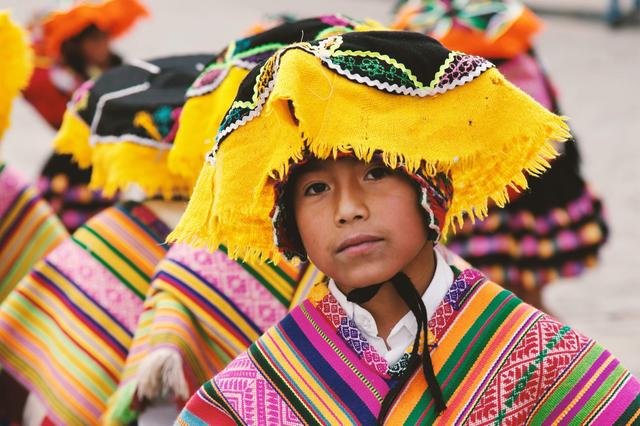

Inca Trail difficulty
inca trail difficulty & training: prepare for the trekThe Inca Trail is physically demanding, but it doesn’t require technical climbing skills or extreme fitness. What makes the trek challenging is the combination of altitude, long days of walking, and steep stone staircases spread over several consecutive days. With the right preparation, most travelers can complete the route comfortably and enjoy the experience. This section explains what level of fitness is needed, how altitude affects the body, and how to train in a realistic way before arriving in Peru, helping you feel confident and well prepared for the journey ahead.
By ExplorandesEne 12, 2026
Inca Trail Difficulty & Training: Prepare for the Trek
The Inca Trail is not the longest or steepest trek in the Andes — but it is one of the most rewarding. What makes it special isn’t only the altitude or the terrain, but the rhythm of walking through centuries of history, surrounded by landscapes that change at every turn.
With good preparation, almost anyone with a moderate level of fitness can complete the trek. The key is knowing what to expect and giving your body time to adapt.
This guide will help you understand the trail’s level of difficulty, what kind of training works best, and how to prepare both physically and mentally for the journey ahead.
How Difficult Is the Inca Trail?
The Classic Inca Trail covers about 43 kilometers (26 miles) over four or five days. That may not sound extreme, but the combination of altitude, steep stone steps, and variable weather makes it a real challenge — one that rewards effort with breathtaking beauty.
You’ll spend several hours hiking each day, often 6–8 hours depending on your pace and the itinerary. The trail alternates between long climbs, ancient staircases, and descents that test the knees. The highest point, Warmiwañuska Pass (“Dead Woman’s Pass”), reaches 4,215 meters (13,828 ft) — an altitude where oxygen is roughly 60% of what it is at sea level.
Most trekkers describe the difficulty as moderate to challenging, not technical, but demanding enough to require preparation. The good news? You don’t need to be an athlete. With the right mindset and gradual training, you’ll find your rhythm and enjoy every step.

Altitude: The Real Challenge
For many travelers, altitude is the hardest part of the Inca Trail. The reduced oxygen can cause shortness of breath, headaches, or fatigue — even in people who are fit. The key to overcoming it is acclimatization.
Here’s how to help your body adjust:
- Spend at least two full days in Cusco or the Sacred Valley before starting your trek.
- Walk slowly and drink plenty of water — hydration helps your body adapt.
- Avoid alcohol and heavy meals during your first days at altitude.
- Coca tea, available almost everywhere, can relieve mild symptoms.
- If you have concerns about altitude sickness, consult your doctor before traveling; they may recommend medication like acetazolamide.
Above all, remember: listen to your body. Altitude affects everyone differently. Trekkers who move steadily, rest well, and stay hydrated tend to feel much stronger by the second or third day.
Training for the Inca Trail
You don’t need specialized mountain experience to complete the Inca Trail — but you’ll enjoy it much more if you train ahead of time. The goal isn’t speed or power; it’s endurance. Aim to build cardiovascular fitness, leg strength, and stamina for consecutive days of hiking.
Start 8–10 Weeks Before Your Trek
A gradual, consistent routine works best. Here’s a simple training framework:
1. Walking and Hiking
- Begin with 2–3 walks per week of 45–60 minutes on varied terrain.
- Gradually add hills or stair climbs to simulate the trail’s ascents.
- On weekends, try longer hikes of 3–5 hours carrying a small backpack.
2.Strength Training
Focus on your legs, core, and stability. Exercises like squats, lunges, step-ups, and planks will strengthen the muscles you’ll rely on most.
If you can, incorporate resistance training twice a week.
3.Cardio Conditioning
Cycling, swimming, or running build endurance and lung capacity. Alternate your workouts to keep them enjoyable — the goal is consistency, not intensity.
4.Practice with Your Gear
Train wearing your hiking boots and carrying a similar load to what you’ll have on the trail. This helps prevent blisters and ensures your pack feels balanced.
Tip from the Guides
The best way to train for the Inca Trail is to walk uphill whenever you can — even short city staircases help. Altitude demands effort, but strong legs andcontrolled breathing will carry you through every pass.
Mental Preparation
Physical fitness gets you to the top; mental focus gets you through the journey.

The Inca Trail is as much about patience and presence as it is about endurance. There will be moments when the steps seem endless or the air feels too thin. That’s when slowing down, breathing deeply, and appreciating the surroundings make all the difference.
Try this approach before you go:
- Practice mindfulness or slow breathing on long walks.
- Train with friends or join group hikes to simulate the camaraderie of the trail.
- Remember that your pace doesn’t define your success — reaching the Sun Gate does.
The trail rewards persistence, not speed. Even experienced trekkers find themselves humbled by the beauty and rhythm of the Andes.
Understanding the Terrain
The Inca Trail combines three distinct environments, each with unique challenges:
- High Mountain Passes — Thin air, steep ascents, and cool temperatures. Take it slowly and rest frequently.
- Cloud Forest Descents — Humidity rises and stone steps can be slippery; trekking poles help.
- Archaeological Sites and Ridges — Frequent climbs and descents, often in direct sunlight. Protect yourself with sunscreen and light layers.
Because the trail changes elevation constantly, pacing is key. Guides recommend walking at a steady, conversational pace rather than pushing to go fast. You’ll acclimatize better and have more energy to enjoy the views.
How Fit Do You Need to Be?
A common question from travelers is: “Do I have to be in top shape to hike the Inca Trail?” The answer is no — but a moderate level of fitness will make it more comfortable and enjoyable. If you can walk 10–12 kilometers (6–8 miles) in a day with hills and stairs, you’re already on track. The biggest adjustment for most people is hiking several days in a row at altitude.
Remember, trekking with a professional operator means you’ll have support at every stage — from experienced guides to porters who manage camp logistics. Your only job is to walk, take in the scenery, and enjoy the experience.

Recovering Each Day
Rest is just as important as training. Once on the trail:
- Stretch lightly before and after hiking.
- Rehydrate with water or herbal tea.
- Eat full, balanced meals (you can see examples in our Packing List).
- Sleep early — mornings usually start before sunrise to make the most of clear weather.
The rhythm of the trail naturally encourages recovery. By the second night, most trekkers find they’re sleeping deeply and waking up refreshed, ready to take on another day of exploration.
Altitude Safety and Emergency Support
Even with preparation, altitude can surprise you. The good news is that licensed tour operators are trained to handle mild to moderate altitude symptoms and have established emergency protocols.
Guides carry first aid kits and oxygen for immediate support, and evacuation plans are in place if needed.
Serious altitude sickness is rare on the Inca Trail — most trekkers experience only mild shortness of breath or headaches. Communication, hydration, and pacing are the best tools for prevention. Never hesitate to speak up if you feel unwell; your team is there to help.
When Training Meets Experience
Every step on the Inca Trail is a dialogue between preparation and discovery. You’ll find that training gives you the strength to enjoy the little moments — the laughter at camp, the quiet of dawn above the clouds, the first glimpse of Machu Picchu through the Sun Gate.
Your fitness doesn’t have to be perfect; it just needs to be balanced with curiosity, patience, and respect for the mountains. The trail will meet you halfway.
Historias inspiradoras de nuestro Blog


Creamos experiencias de viaje adaptadas a todos y cada uno de los huéspedes
HIKING & TREKKING

camino del incaEl Camino Inca a Machu Picchu es más que una caminata: es una travesía de 5 días entre paisajes impresionantes, antiguas ruinas incas, bosques nubosos y la icónica Puerta del Sol (Inti Punku). Con guías expertos, prácticas sostenibles y un equipo que te apoya en todo el recorrido, vivirás una aventura inolvidable que combina historia, cultura y naturaleza. No te pierdas esta experiencia única en la vida: reserva hoy tu tour del Camino Inca a Machu Picchu y asegura tu permiso antes de que los cupos se agoten.
Marzo - Diciembre
5 días / 4 noches
Desde
$ 1290
/ Por personaHIKING & TREKKING

huayhuash trekEl Trek Huayhuash explora las remotas y impresionantes montañas de Perú, cruzando altos pasos, lagos alpinos y valles salvajes, siguiendo las rutas de legendarios escaladores en una aventura inolvidable de 12 días.
Abril - Octubre
12 días / 11 noches
Desde
$ 1750
/ Por personaHIKING & TREKKING

los valles ocultos de salkantayComenzando cerca de Limatambo, nuestro Trek Salkantay asciende hasta el Paso Cruzjasa, ofreciendo vistas impresionantes, luego desciende por el Valle de Cusichaca, explora sitios incas y finaliza en Ollantaytambo.
Abril - Diciembre
5 días / 4 noches
Desde
$ 1290
/ Por personaHIKING & TREKKING

trekking con llamas en el gran camino inca del norteCamina más de 70 km del Gran Camino Inca, explorando sitios arqueológicos, paisajes diversos y maravillas de ingeniería, incluyendo Chavín de Huantar y Huánuco Pampa.
Abril - Octubre
6 días / 5 noches
Desde
$ 1640
/ Por persona